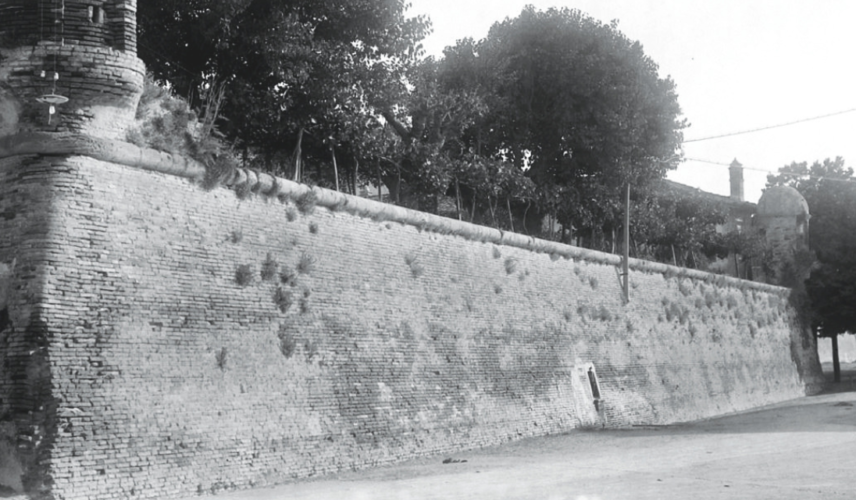

The walls that look out upon the river, the bastion called Posta, the tract of walls contained between the theater and the same bastion were built in the second mid of the eighteenth century after the enlargement of the city to west, in the area of “Garden of Maddalena”. This ...

The church of San Martino, whose name is linked to the cult of the saint of the cloak shared with Jesus, has a long history. It was first built outside the 16th-century walls in the 13th century until it was entrusted to the Servants of Mary in 1468, who oversaw its ...
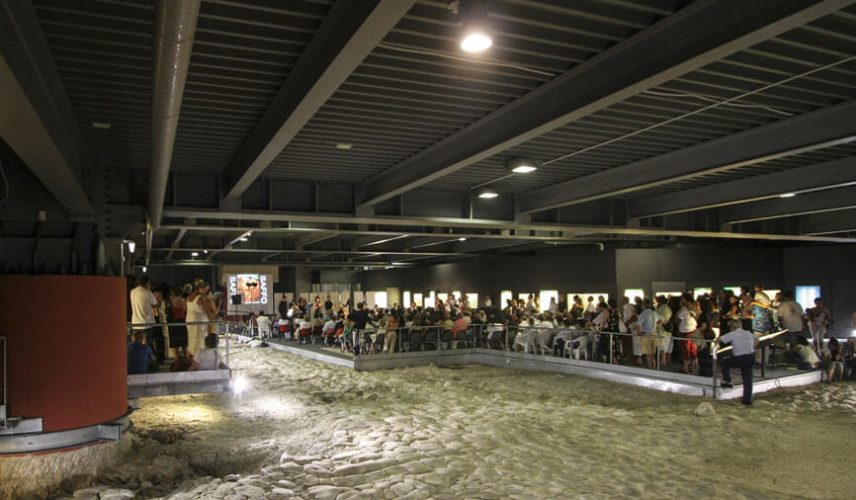
Senigallia’s Roman origins had long been known and visible in the foundations of the Rocca Roveresca; however, the discovery, during the founding of the New Theatre “La Fenice” in 1989, of important finds dating back to the 2nd-3rd century AD, which were subsequently the subject of systematic excavation campaigns, ...
Ultimo ingresso 15 minuti prima della chiusura.
Audioguide gratuite all’ingresso.
Phone numbers
+39 071.6629203
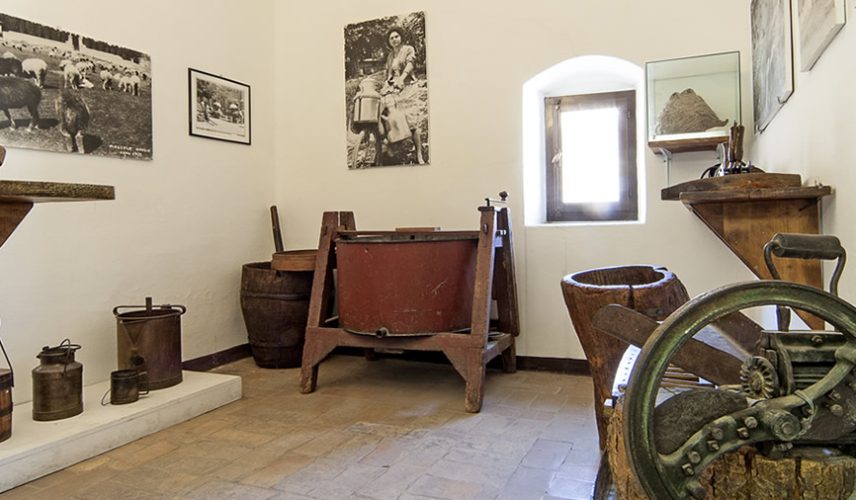
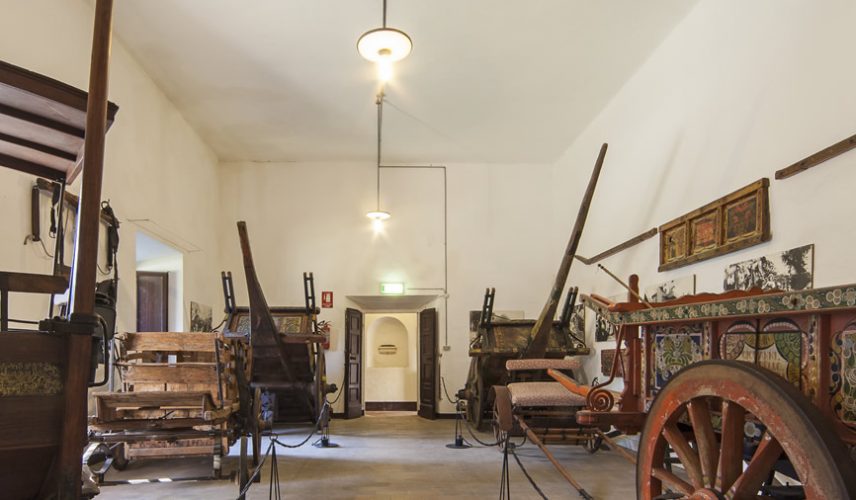
Museum of Sharecropping – Since 1978 the fascinating complex of Santa Maria delle Grazie, immersed in Senigallia’s green hills, has hosted the extraordinary Municipal Museum “Sergio Anselmi”. With over 2,000 exhibits, the museum is an indispensable point of reference for those who want to discover the daily life and work in the ...
Didascalie degli oggetti in italiano, inglese, francese, tedesco.
Nel Museo è possibile vedere anche:
– Antiquarium Luisa Pieroni: vetrine con reperti dall’età del ferro all’età romana rinvenuti nel territorio di Montedoro, prossimo al Museo
– fotografie di Mario Giacomelli
– fotografie di Mario Carafòli
– fotografie di Umberto Gennari
– quadri di Vittorio Ottavio Giuliani (GIVIOT)
Nel Museo è possibile consultare su appuntamento:
– biblioteca con libri appartenuti a Sergio Anselmi
– biblioteca con libri di agricoltura e di storia della regione Marche
Ultimo ingresso 15 minuti prima della chiusura.
Per informazioni e visite telefonare ai numeri 071 7923127 (Museo) o 071 6629350 (Ufficio Cultura).
Phone numbers
+39.071.7923127
ATTACHMENTS Events
Orario estivo
16 giugno-14 settembre
mercoledì – giovedì 9.00-12.00
venerdì sabato domenica 9.00-12.00 / 16.00-19.00
Orario invernale
15 settembre – 15 giugno
Mercoledì – giovedì 9.00 – 12.00
Venerdì sabato domenica
9.00 – 12.00 / 15.00 – 17.00
In May 1992, during the bicentenary of Pope Pius IX’s birth, the Bishop’s Palace became the seat of the Diocesan Art Gallery of Sacred Art. Its splendid rooms host remarkable works of art from the 16th to the 19th century The gem of the art collection is La Madonna ...
From october to june open on reservation.
Phone numbers
+39.071.65758
diocesi@senigallia.chiesacattolica.it
ATTACHMENTS Events
Opening from 1/9 to 06/01:
Saturday and Sunday and Holidays: 9:00-12:00 / 16:00-19:00 * closed on December 25th
Opening FROM 1/4 TO 31/5 :
Saturday and Sunday and Holidays: 9:00-12:00 / 16:00-19:00
Opening FROM 1/6 TO 31/8:
Thursday, Friday, Saturday, Sunday: 21:00-24:00*
CLOSED IN JANUARY (FROM 7) – FEBRUARY – MARCH
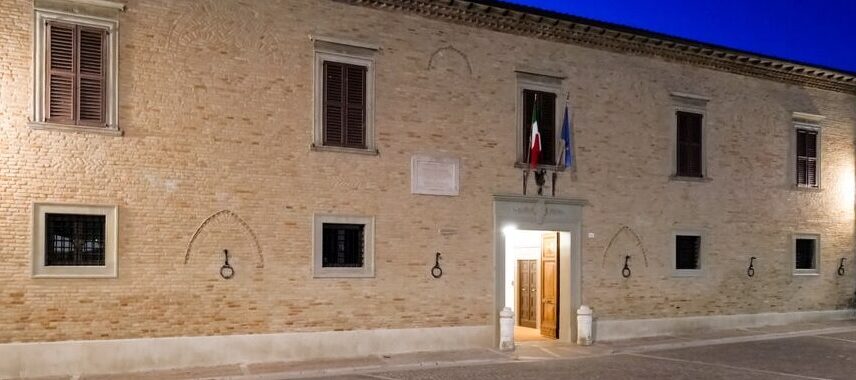
The Palazzetto Baviera overlooks Piazza del Duca and was built by order of Giovanni Giacomo Baviera, Giovanni della Rovere’s maternal uncle and lieutenant, at the same time as the Rocca, perhaps designed by Baccio Pontelli, as suggested by the harmonious proportion of the small courtyard. Giovanni Baviera arrived in ...
Tickets:
integer input 4 €
Discounts and concessions are planned
Reduced admission to 2 € for 18-25 year olds and teachers; free admission up to 18 years old.
Admission reduced to 3 € for FAI, Touring, Archeoclub d’Italia and Coop Alleanza 3.0 members
Palazzo del Duca overlooks right in front of the Rocca Roveresca. Commissioned by Guidubaldo II della Rovere in the mid-sixteenth century based on a design by Gerolamo Genga, it was enlarged in the decades immediately following by his son and heir Francesco Maria II, the last representative of the dynasty, ...
Inaugurato il 5 dicembre 1996 sorge nel medesimo luogo dei precedenti teatri cittadini e sopra l’area archeologica da cui lo separa ben più di duemila anni di storia. Il teatro La Fenice venne inaugurato il 5 dicembre 1996 e sorge esattamente nel medesimo luogo dei precedenti teatri cittadini e sopra l’area ...
Su progetto dell’architetto Pietro Ghinelli, l'imponente palazzo ad isola sostenuto nei suoi quattro lati da porticati in pietra bianca d’Istria uguali a quelli costruiti lungo il canale. La storia del Palazzo detto della Filanda prende avvio nel 1758 quando il Consiglio Generale dei Nobili, delibera di donare alla ...
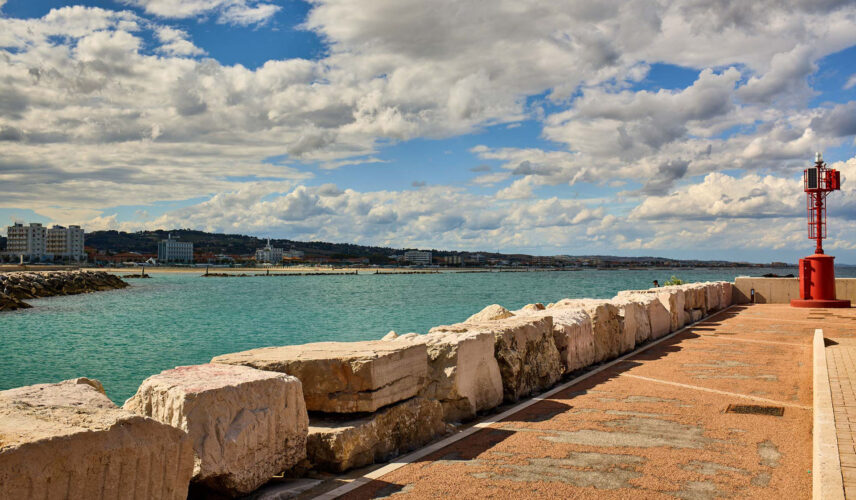
Il porto Della Rovere di Senigallia dall'alba al tramonto un luogo di grande bellezza e fascino Il porto Della Rovere di Senigallia è un luogo di grande bellezza e fascino, naturale proseguimento di una piacevole passeggiata che partendo da corso Matteotti e proseguendo lungo corso II Giugno, costeggia il fiume ...
A not to be missed stop for visitors, via Carducci is the “lounge” of the historical town centre with a bohemian atmosphere. The splendid frame of Via Carducci, enriched by the powerful Porta Lambertina (the city door dedicated to Pope Benedict XIV, Prospero Lambertini), is a privileged venue to host ...
Just like Portici Ercolani, Piazza Garibaldi, also known as Piazza del Duomo, recalls the most splendid time of Senigallia’s fair. It belongs to the urban development works ordered by Pope Lambertini in the mid of the 18th century. Thanks to the recent refurbishment works, Piazza Garibaldi is a charming ...
The Church and Convent of Santa Maria delle Grazie is situated in a fascinating location, just a couple of km out of town, amongst the hills. It can be easily reached in a few minutes by car or with public means of transportation. They were built as a votive offering ...
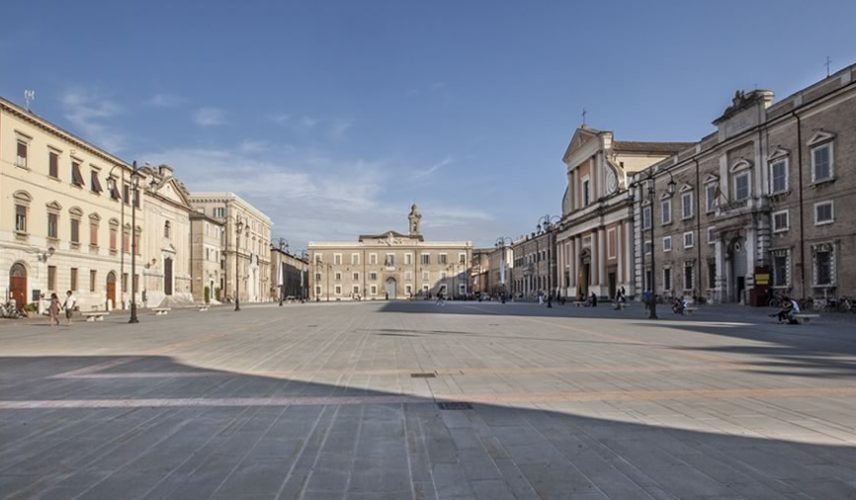
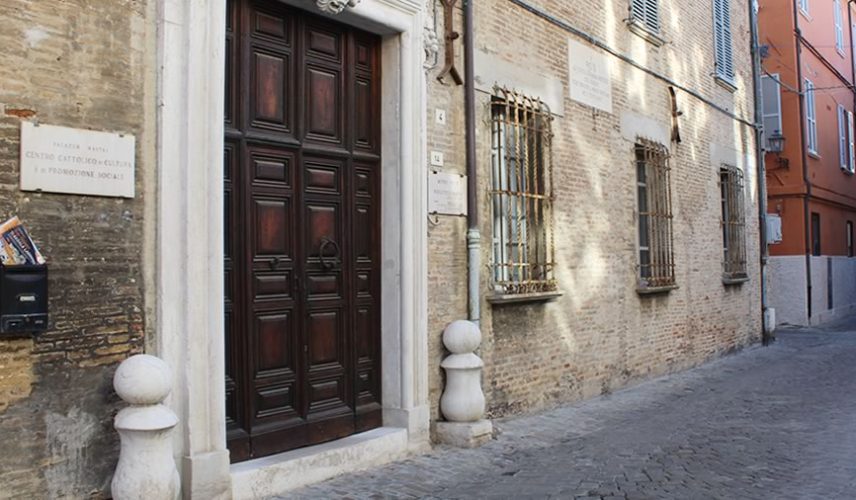
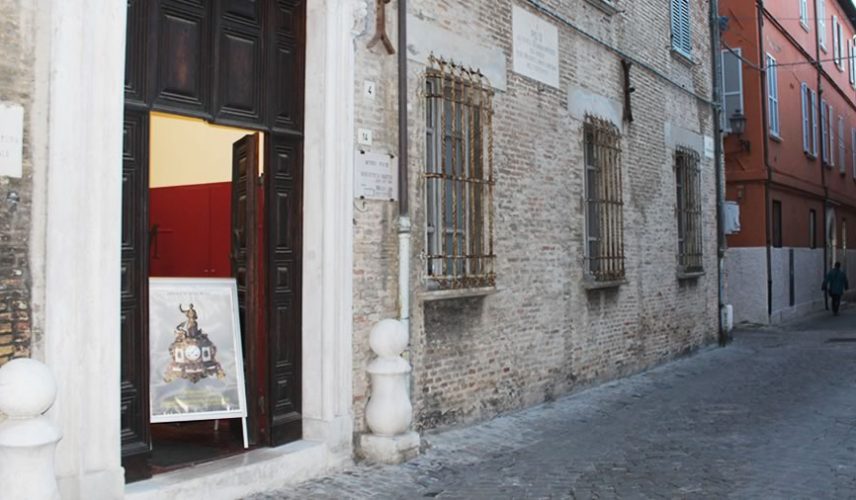
Following the Decree of the Council of Ministers released to limit the contagion from Coronvirus, the museum Mastai Palace’s activity is suspended until 24.00 on 3 May 2020. < / strong> Senigallia’s illustrious citizens include a Pope: Pius IX, Giovanni Maria Mastai Ferretti in the world, born in 1792 from the ...
L’accesso al Museo termina 15 minuti prima della chiusura.
Phone numbers
+39 071 60649
ATTACHMENTS Events
A few meters from Palazzo Comunale (Town hall) and the main street called Corso II Giugno, Church of the Cross is a real and probably unexpected surprise. The late-Renaissance sober façade contrasts with the opulent and magnificent Baroque style of the interior space, enriched by the painting known as “...
Le visite sono gratuite negli orari ordinari di apertura della chiesa (Dal lunedì al sabato dalle ore 9.30 alle 11.30. Domenica dalle 15.30 alle 18.30).
Per aperture extra o per visite con gruppi occore pagare 1 euro a persona contattando il numero 333.7412366 o confraternitacroce@gmail.com.
From 18 July: Monday to Saturday from 10.00 to 11.30
Sunday from 16.30 to 18.00.
EXTRAORDINARY OPENINGS JULY AND AUGUST: from Thursday to Sunday from 21.00 to 23.00
Guided tours: 3337412366
Foro Annonario is a harmonious neoclassical brickwork structure with a welcoming square that was designed to enlarge the commercial area within the ancient city walls. Every day the circular space hosts a fresh vegetable and fruit market. The colonnade has a total of 24 columns with Dorian capitals, where several small ...
Il Museo si trova al centro storico di Senigallia, in quelle che furono le scuderie dell’antico ed imponente palazzo settecentesco Monti Malvezzi. Il museo vanta una preziosa collezione di giocattoli antichi dall’Ottocento fino all’immediato dopoguerra. Il Museo si trova al centro storico di Senigallia, in quelle che ...
Da martedì a domenica
10.30/12.30 – 17.00/19.30
Periodo estivo anche 21.30/23.30
Possibili variazioni di orario
E' preferibile la prenotazione telefonica
Aperto tutto l'anno
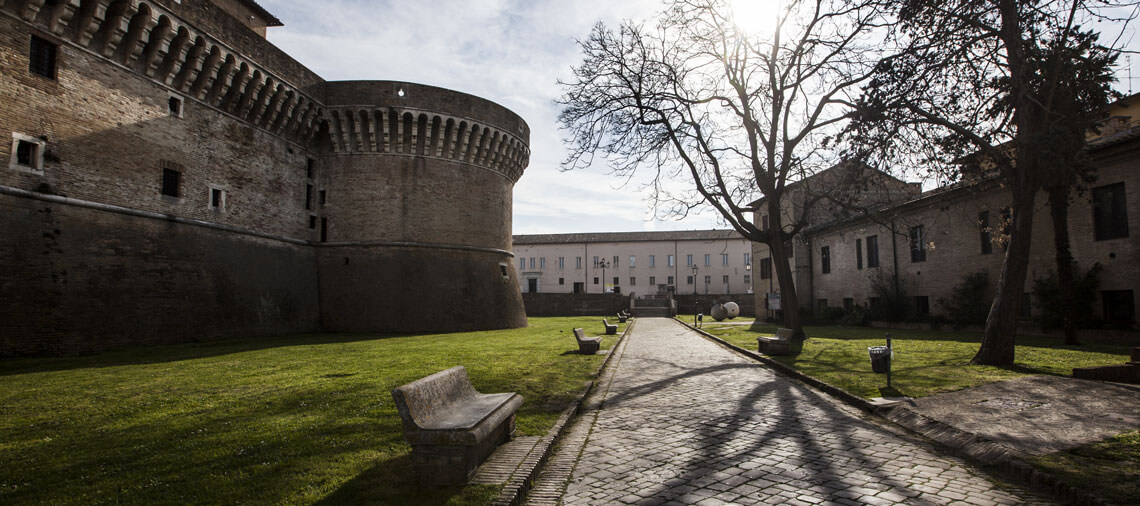
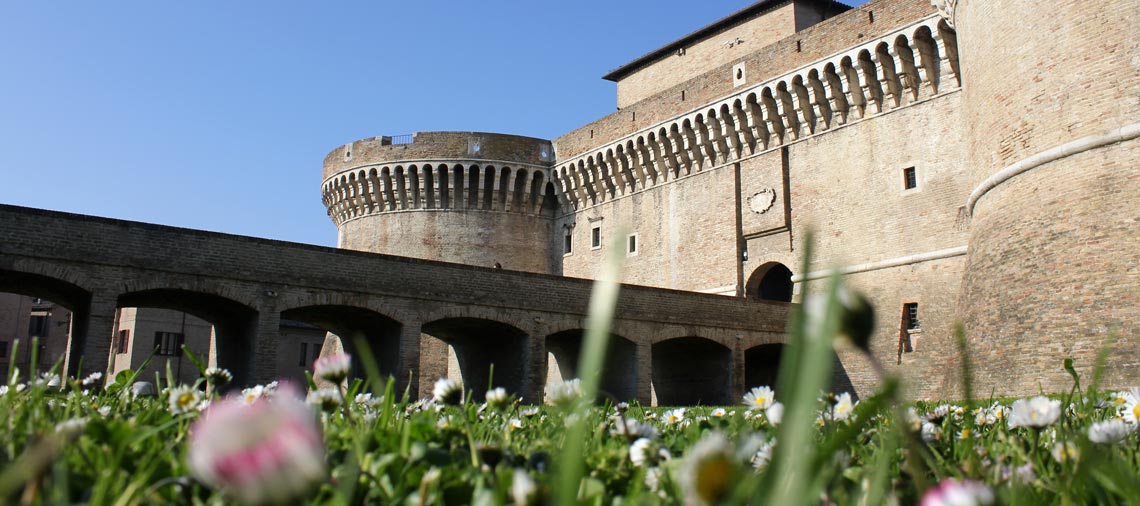
Rocca Roveresca is one of Senigallia’s not to be missed monuments. It can be defined as an extraordinary history book: as a matter of fact, it is the result of overlapping defensive structures that were built throughout the centuries, starting from the origins, in an especially strategically important location. ...
Full price € 5.00
Reduced price € 3.00 showing the entrance ticket to Palazzo del Duca and Palazzetto Baviera*
Reduced price € 2.00 (18-25 years old)
Full annual ticket € 12.00
Reduced annual ticket € 5.00
Free of charge 0-18 years old and according to current regulations (www.beniculturali.it)
Free admission every first Sunday of the month
*According to the Municipality of Senigallia, the entrance ticket to the Rocca Roveresca allows a reduction for the ticket of the civic museums Palazzo del Duca and Palazzetto Baviera.
From monday to sunday* 8.30 a.m. – 7.30 p.m.
Ticket office closes at 7.00 p.m.
December 25th and January 1st closed
Piazza Roma is a real agora and the administrative heart of the town. The 17th-century Palazzo del Governo (Town hall) overlooking the square was built by Francesco Maria II Della Rovere in 1609. The project of Urbino’s architect Muzio Oddi was completed in 1644. The front of the town hall is ...
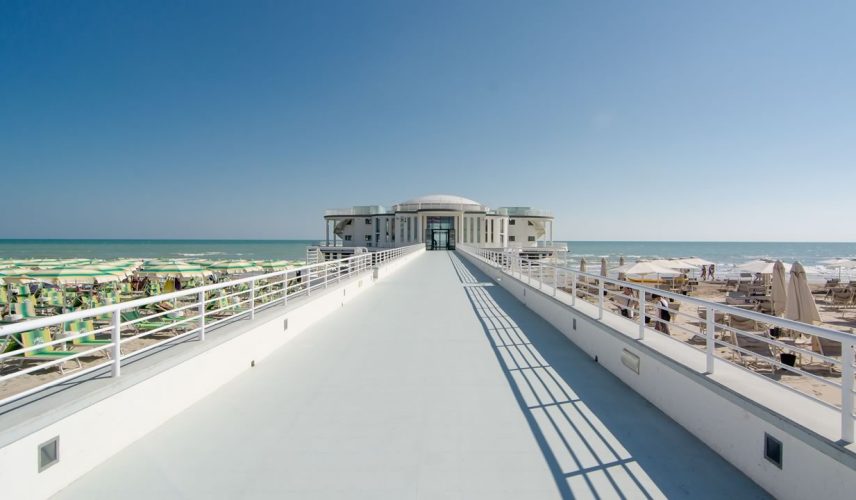
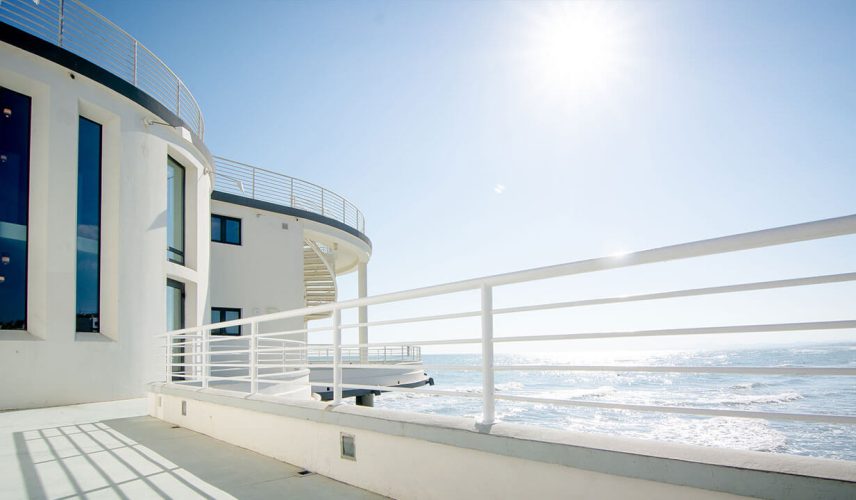
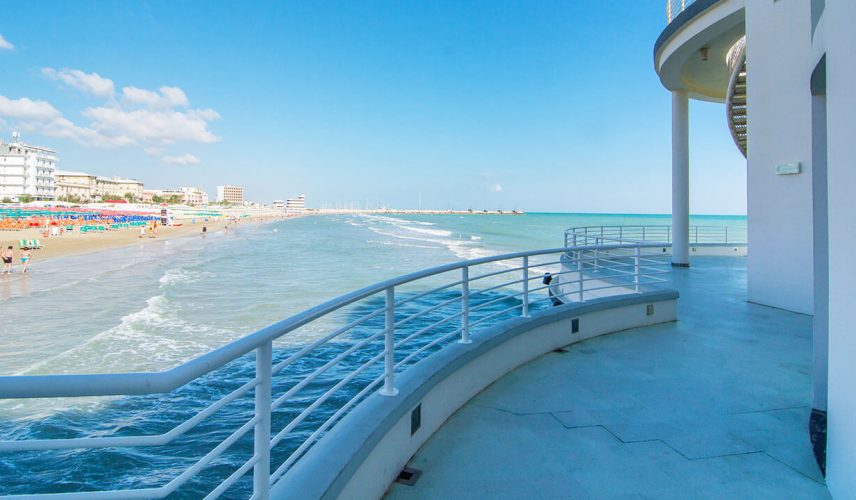
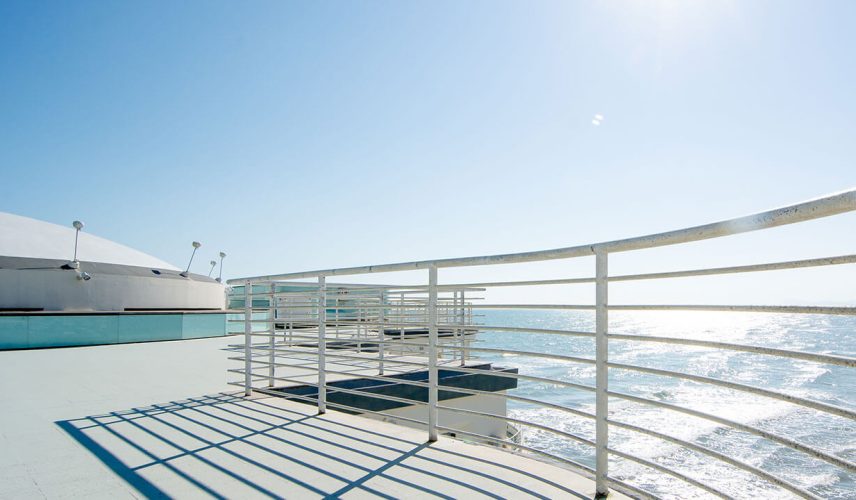
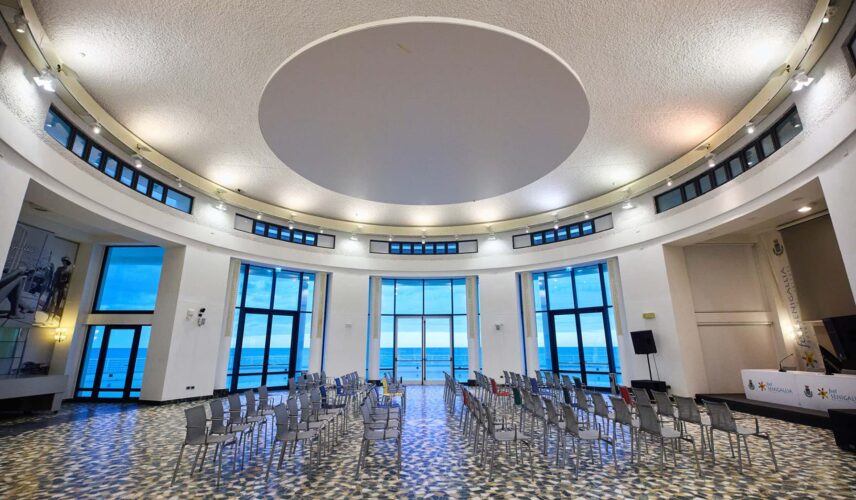
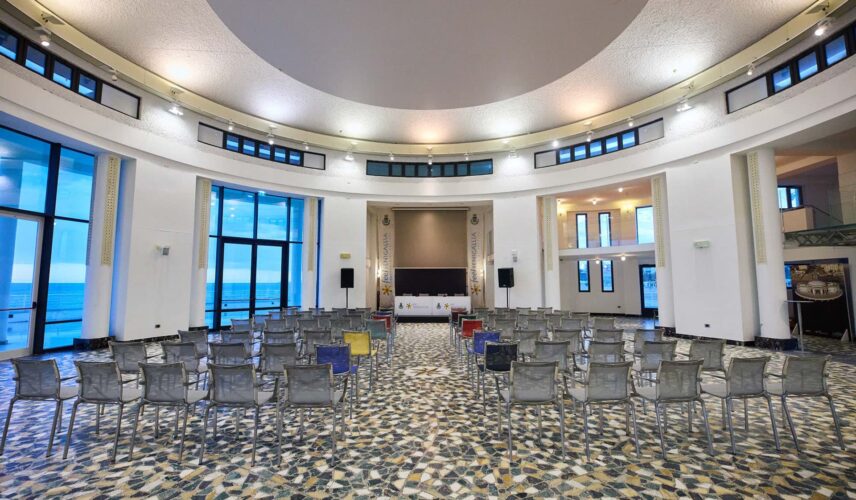
From Saturday 22 June to Sunday 25 August the Rotonda a Mare will be open from Monday to Friday from 7.00 pm to 11.00 pm.
In the same period, on Saturdays and Sundays, it will be possible to visit the Rotonda a Mare from 6.00 pm to midnight.
Additional openings:
June 1st: from 4.00 pm to 7.00 pm
2 June: from 10.30 am to 12.30 pm and from 4.00 pm to 7.00 pm
6 and 7 June: from 4.00 pm to 7.00 pm
8 and 9 June: from 10.30 am to 12.30 pm and from 4.00 pm to 7.00 pm
15 and 16 June: from 10.30 am to 12.30 pm and from 4.00 pm to 7.00 pm
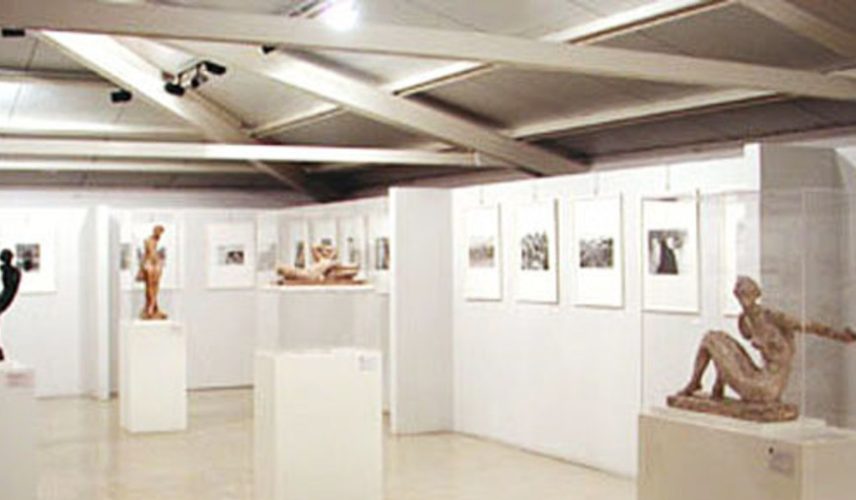
The Municipal Museum of Modern Art, Information and Photography (MUSINF) was created in 1981 according to a project by critic Carlo Emanuele Bugatti, with the support of artists such as Virgilio Guidi, Umberto Mastroianni, and Orfeo Tamburi. The Museum documents the relation between words and images as an information binomial, paying ...
Choose a guide and contact them
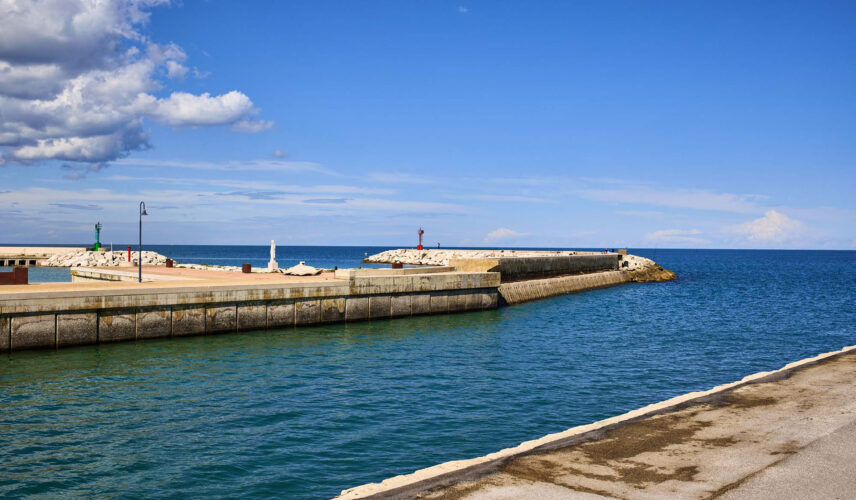
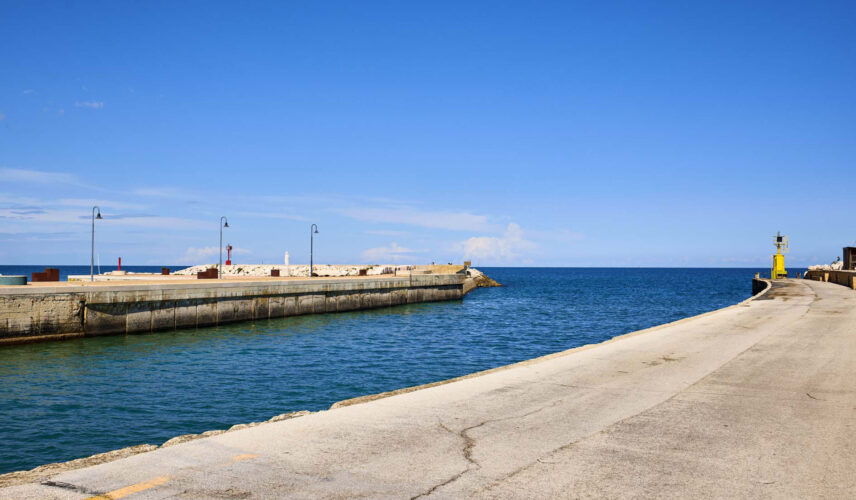
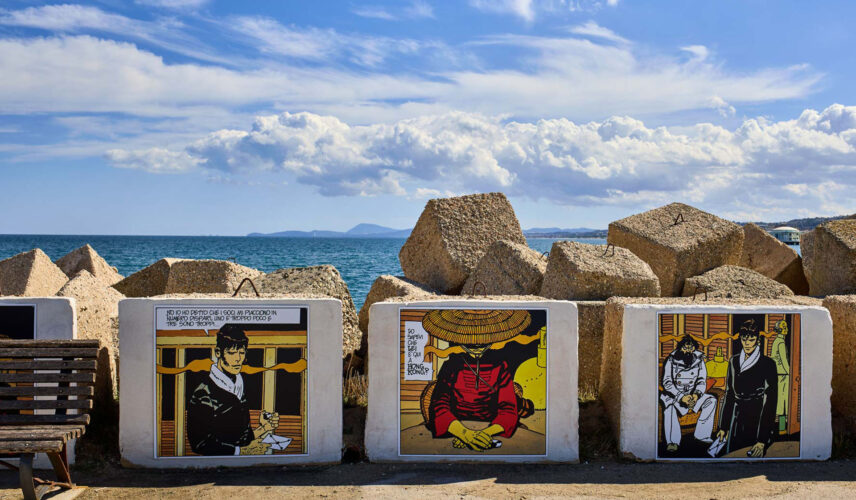
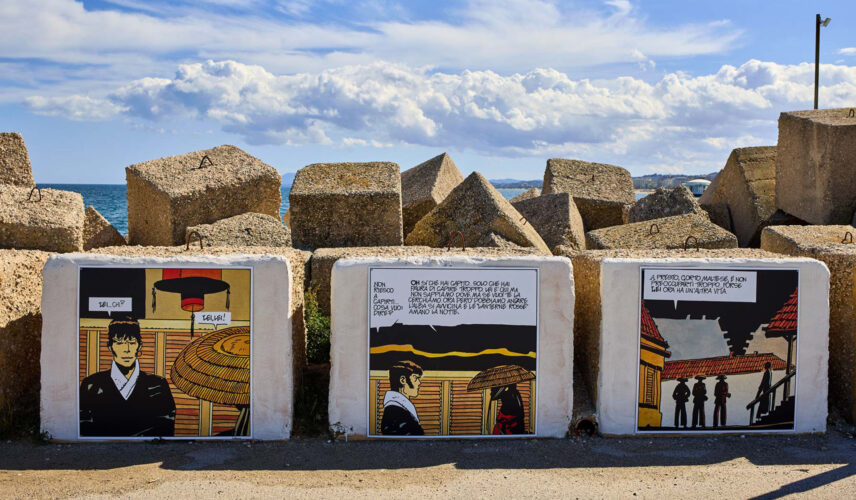
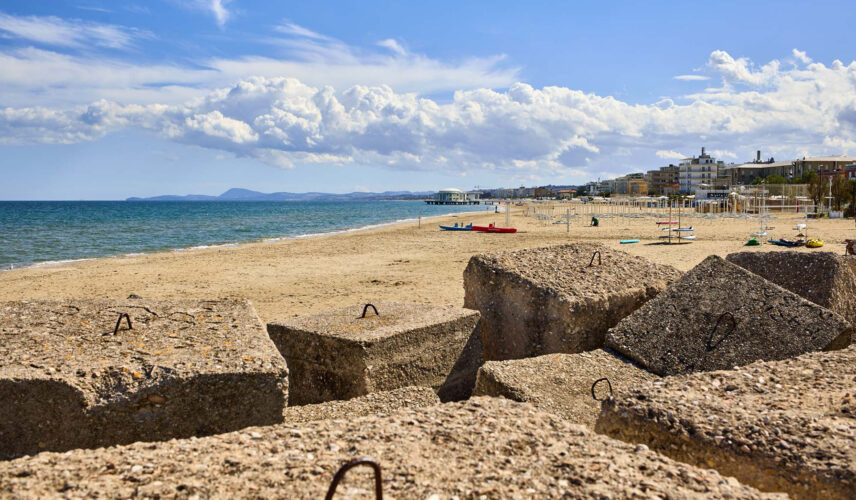
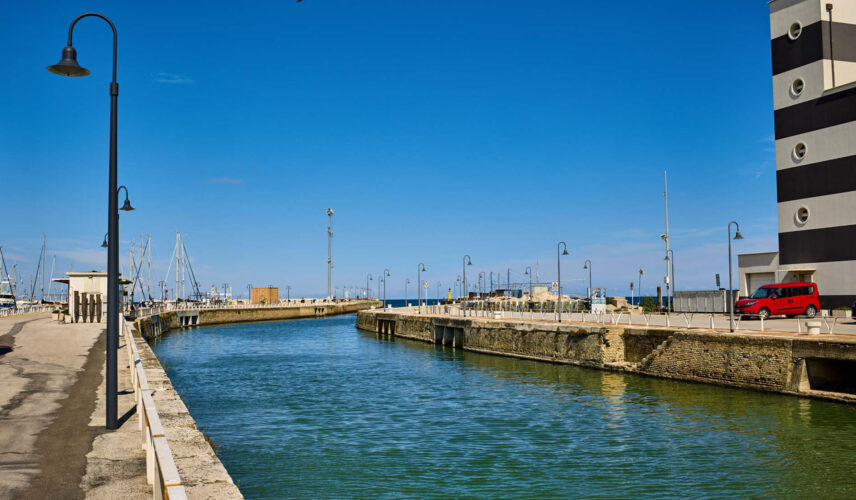
The walls that look out upon the river, the bastion called Posta, the tract of walls contained between the theater and the same bastion were built in the second mid of the eighteenth century after the enlargement of the city to west, in the area of “Garden of Maddalena”. This requested the straighten of the river Misa’s bed which at that time it made a bend behind the Church of Maddalena.
The deletion of the bend had to do necessary both to have an building area and to maximize the yield of the canal-port through an improvement of the outflow: the width of the river encouraged, in fact, the dispersion of the water preventing the boats to get back to a minimum tract to allowed the total navigability of the river.
In the 1759 the architect Sante Vichi from Fano suggested, through the excavation of the new bed and the burial of the old tract, a change of the bend bringing the river run in sticking with the city’s wall.
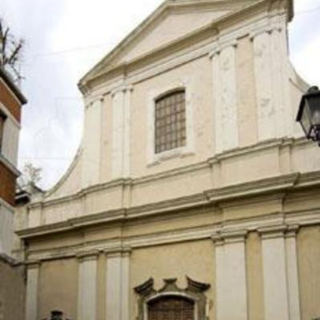
The church of San Martino, whose name is linked to the cult of the saint of the cloak shared with Jesus, has a long
history. It was first built outside the 16th-century walls in the 13th century until it was entrusted to the Servants of
Mary in 1468, who oversaw its construction.
Today’s structure dates back to 1736 and is attributable to the architects Rossi and Valeri, contains stuccoes that make it emblematic of the Baroque.
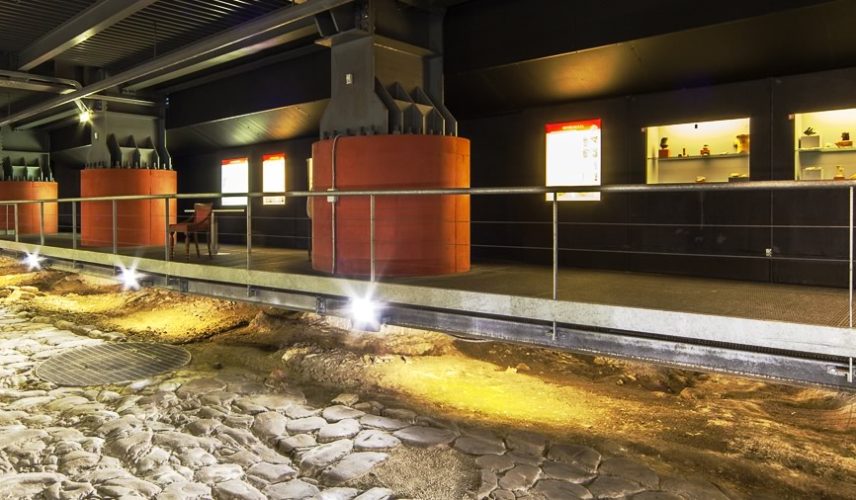
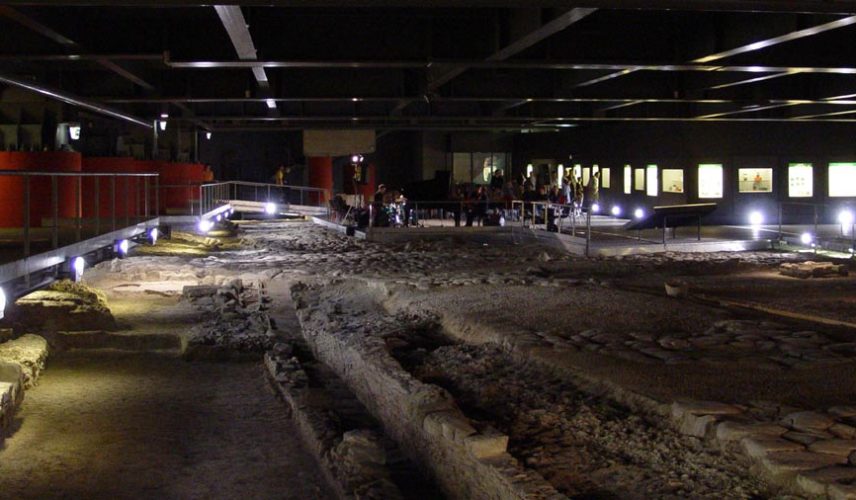
Senigallia’s Roman origins had long been known and visible in the foundations of the Rocca Roveresca; however, the discovery, during the founding of the New Theatre “La Fenice” in 1989, of important finds dating back to the 2nd-3rd century AD, which were subsequently the subject of systematic excavation campaigns, caused great surprise. Today the La Fenice archaeological area is one of the few in Italy where it is possible to admire the remains of buildings of Roman origin and the finds found on site at the same time.
Nell’area archeologica si possono vedere le vestigia di una tipica città romana, con chiare tracce dell’incrocio tra un “cardo” (Nord e Sud) e un “decumano” (Est e Ovest), appartenenti all’area periferica meridionale dell’antica Sena. La pavimentazione è ben conservata, tanto che sono ancora visibili i solchi delle ruote dei carri che vi hanno transitato. Uno spaccato della quotidianità romana si intravede nei resti delle “tabernae”, la prima delle quali era un “termopolium” (rivendita di cibi e bevande calde), e nell’ampia “domus” (abitazione signorile) che aveva l’ingresso sul “cardo”.
Sono ancora ben conservati i pavimenti in cocciopesto decorato con tesserine bianche e l’”impluvium” dell’atrio, pavimentato con mattoncini a spina di pesce. Durante gli scavi sono affiorate 130 fosse ad inumazione di età medievale, a testimonianza del diverso utilizzo dello spazio nel corso dei secoli. Di esse, una è ancora visibile in situ per evidenti scopi didattici.
La visita all’Area Archeologica La Fenice è un’esperienza unica in cui, camminando alcuni metri sotto il livello del suolo, è possibile visitare i luoghi abitati dagli antichi abitanti della Sena romana e i loro oggetti di uso quotidiano.
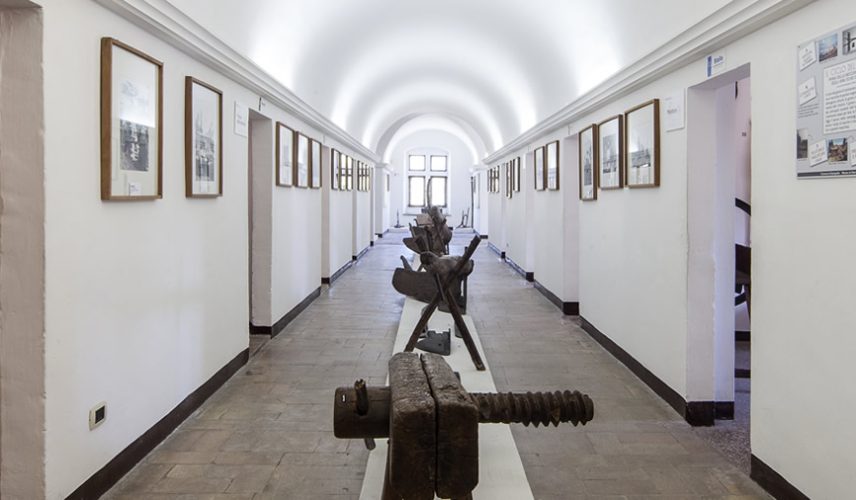
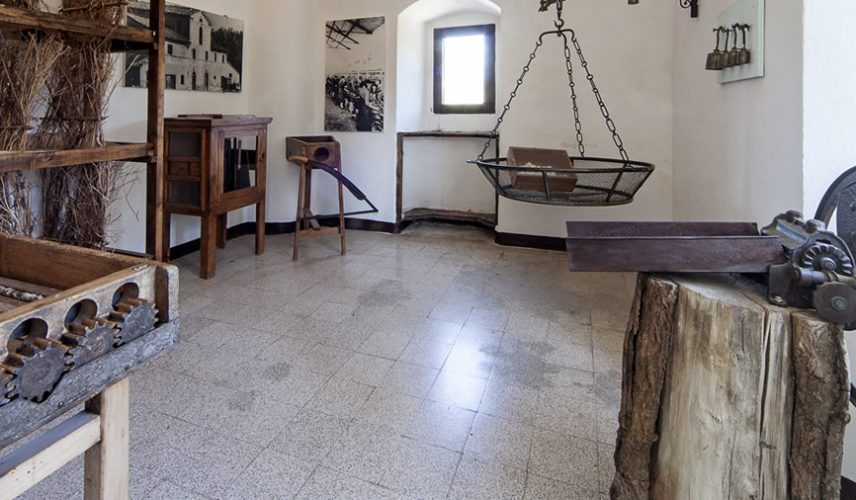
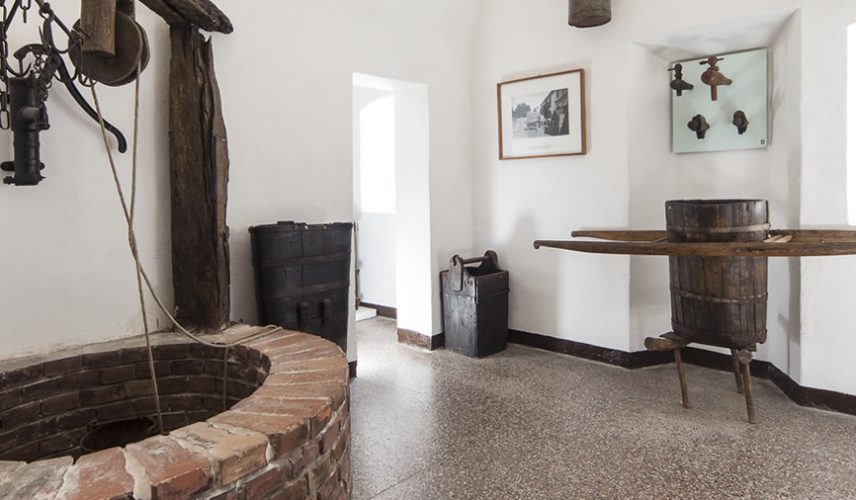
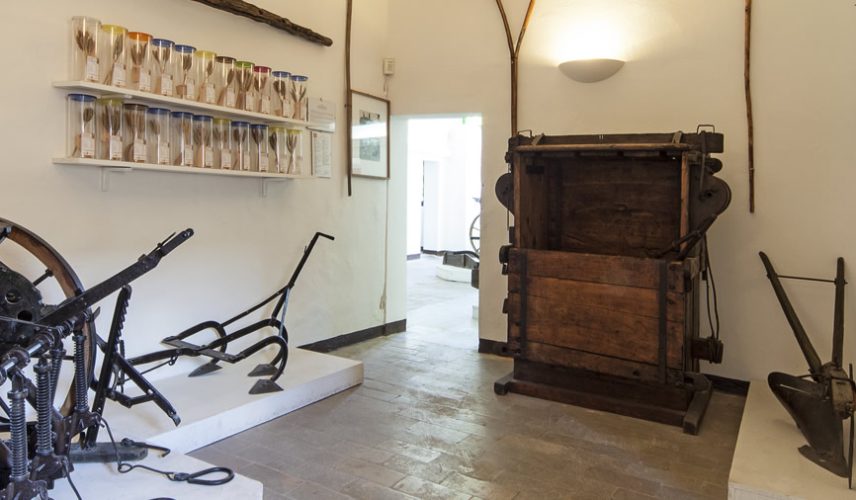
Museum of Sharecropping – Since 1978 the fascinating complex of Santa Maria delle Grazie, immersed in Senigallia’s green hills, has hosted the extraordinary Municipal Museum “Sergio Anselmi”. With over 2,000 exhibits, the museum is an indispensable point of reference for those who want to discover the daily life and work in the Marche countryside in the first half of the 20th century
The elegant Renaissance cloister of a wing in the former Convento delle Grazie represents the first impact with the Museum, which is organised in thirty areas, each one dedicated to a specific topic. Visitors are taken through the different steps of agricultural life: oil presses, wheat sorting machines, repair tools, kitchen equipment, looms, hempen cloth and a large wine cellar in the basement.
The genius and fatigue of farmers are shown on the first floor with a rich variety of working tools. Here, along well-organized routes, the exhibits bring farm work to life: wheat, wine, corn, beet, daily life, alongside with the beautiful historical photographs of Mario Giacomelli and Mario Carafòli. Thanks to the rigorous and passionate organisation of topics and exhibits, always supported by the presence of man, the Museum gives a perfect picture of a time that marked the history of the Marche region: sharecropping. The daily relation between the landowner and the farmer was a typical situation for many Italian regions, like Marche, where land was organized according to a sharecropping model from the 14th -15th century.
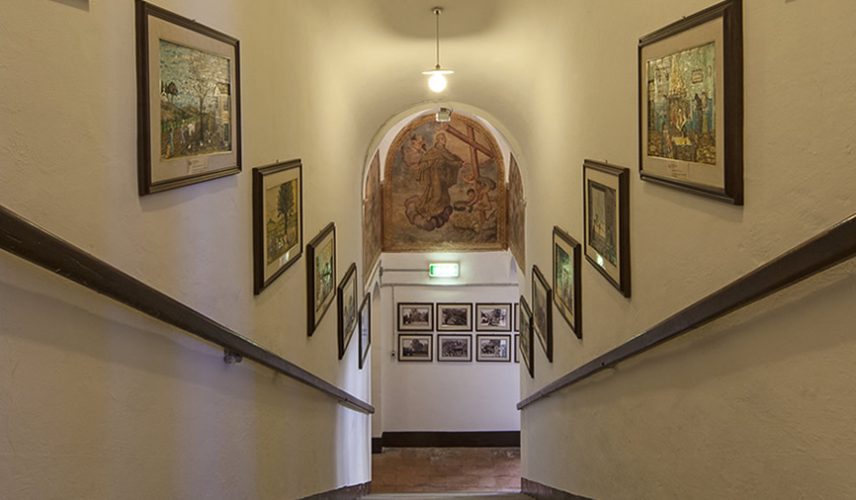
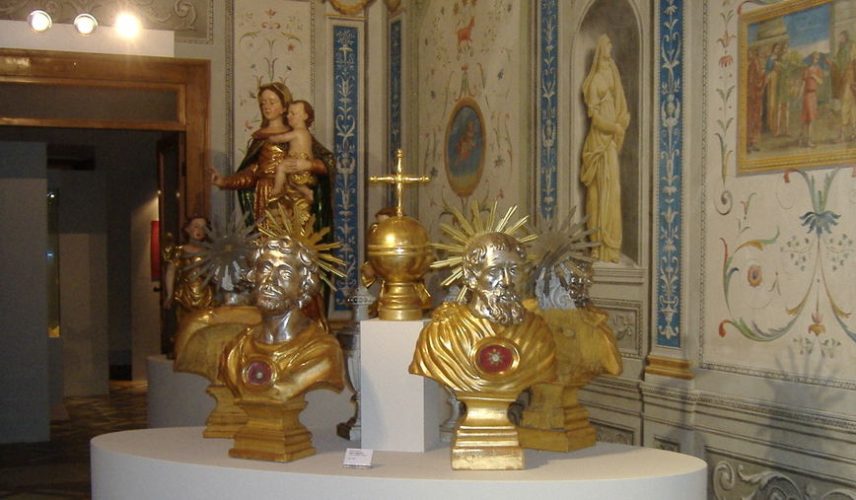
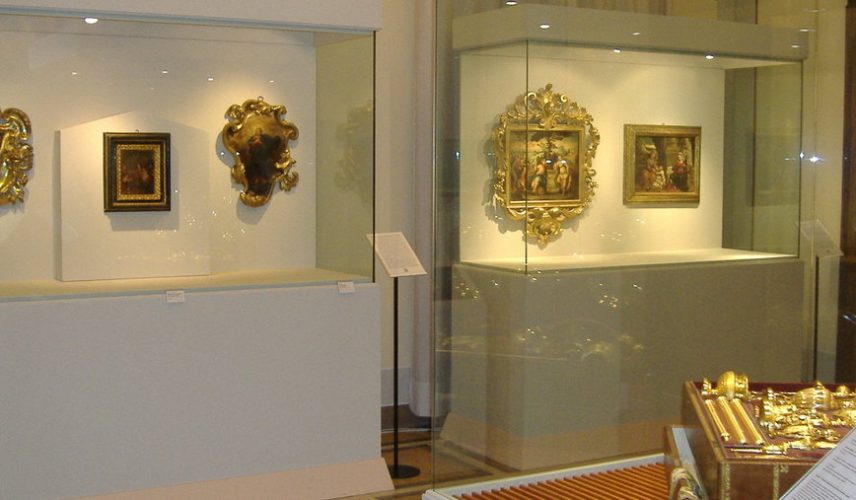
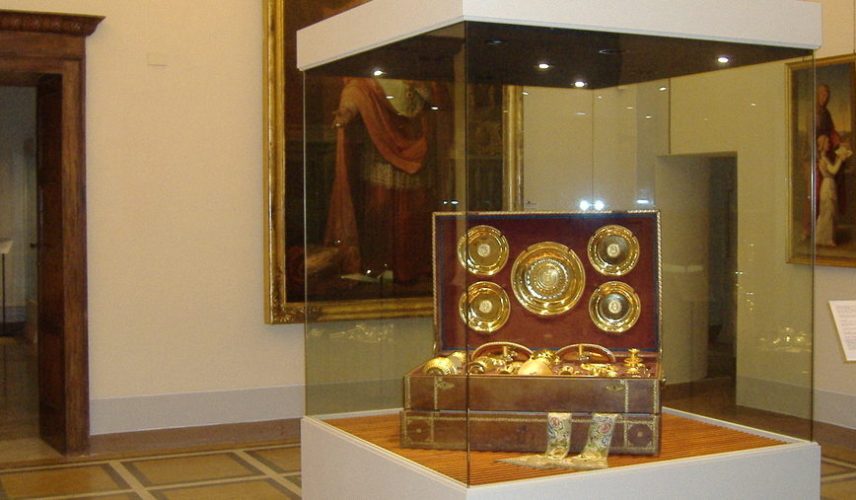
In May 1992, during the bicentenary of Pope Pius IX’s birth, the Bishop’s Palace became the seat of the Diocesan Art Gallery of Sacred Art. Its splendid rooms host remarkable works of art from the 16th to the 19th century
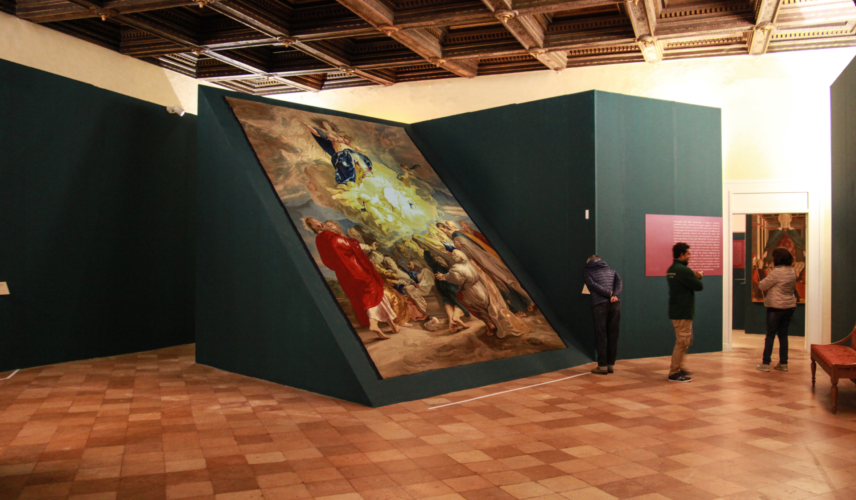
The gem of the art collection is La Madonna del Rosario e San Domenico (the Virgin of the Rosary and Saint Dominic) by Federico Barocci (1535-1612), painted between 1588 and 1592 for Confraternita dell’Assunta e del Rosario (Confraternity of the Lady of Assumption and Rosary) for Chiesa di San Rocco (Saint Rocco’s Church). The painting depicts the Virgin held by some angels with the Infant Jesus in her left hand, while offering the Rosary to Saint Dominic with her right hand.
In the same room visitors can admire Battesimo di Cristo and Natività (Christ’s Baptism and Nativity) by Andrea Lilli (1570-1631); Madonna con Bambino (Virgin with Baby Jesus) and Santi Lucia, Francesco e Giovannino (Saint Lucy, Francis, and Giovanni) by Andrea Donducci (1571-1655) known as il Mastelletta, a pupil of Ludovico Carracci who was especially interested in Mannerist themes: Circoncisione (Circumcision), a late Mannerist work by an Anonymous painter, probably from the Emilia school of the 17th century. The other halls of the Museum host a rich collection of paintings from the 16th, 17th, 18th and 19th century. Among them, Adorazione dei Pastori (Adoration of the Shepherds) (1568) and Crocifissione con la Madonna e San Giorgio (Crucifixion with Virgin and Saint George) (1585) by Ercole Ramazzani, a pupil of Lorenzo Lotto, alongside with several remarkable sacred and profane objects, among them pieces of furniture.
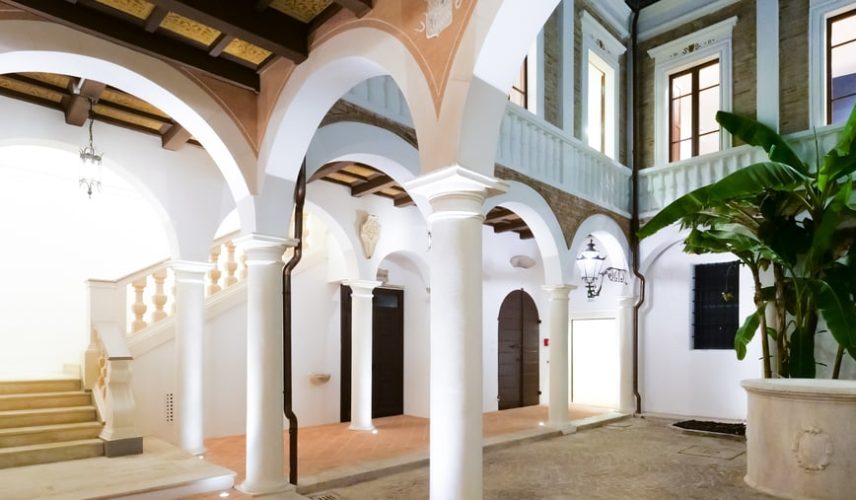
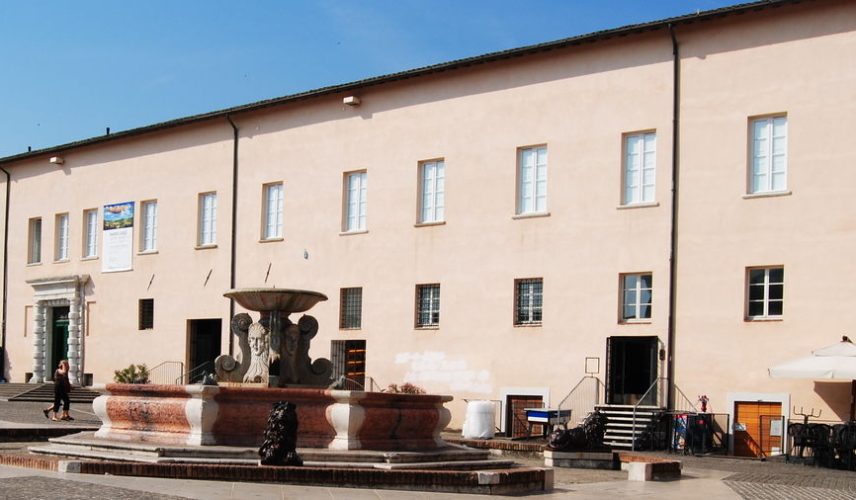
The Palazzetto Baviera overlooks Piazza del Duca and was built by order of Giovanni Giacomo Baviera, Giovanni della Rovere’s maternal uncle and lieutenant, at the same time as the Rocca, perhaps designed by Baccio Pontelli, as suggested by the harmonious proportion of the small courtyard.
Giovanni Baviera arrived in Senigallia at the end of 1474 to take possession of the state on behalf of Giovanni della Rovere. The Baviera family immediately assumed a leading role in the Senigallian nobility. The building became family property in 1512 and remained so until 1956, when the Baviera family donated it to the municipality of Senigallia along with the furnishings.
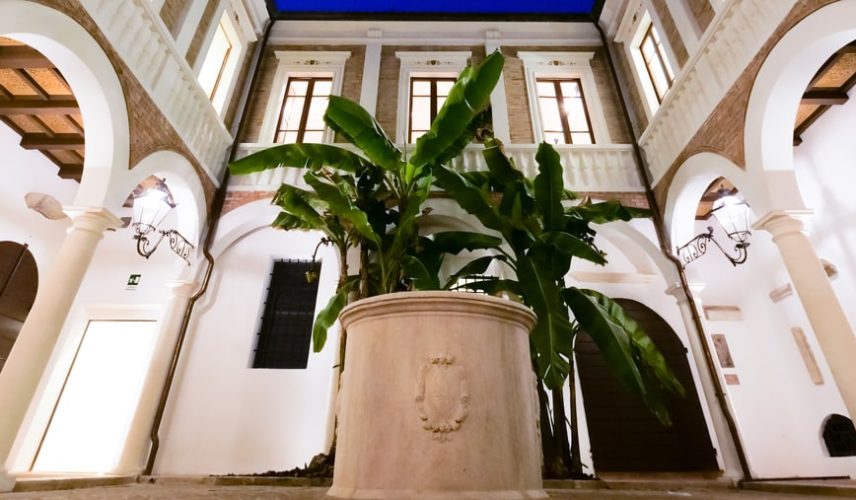
Built and then adapted between the end of the fifteenth century and the first decade of the sixteenth century, the Palazzetto Baviera reproduces, in its small cloister and in its sober and elegant atmosphere, the motifs and proportions of the cloister of the Convent of the Graces. It is possible to admire an elegant colonnade that supports the portico and in the centre a well decorated on all sides with the coats of arms of the House of Bavaria.
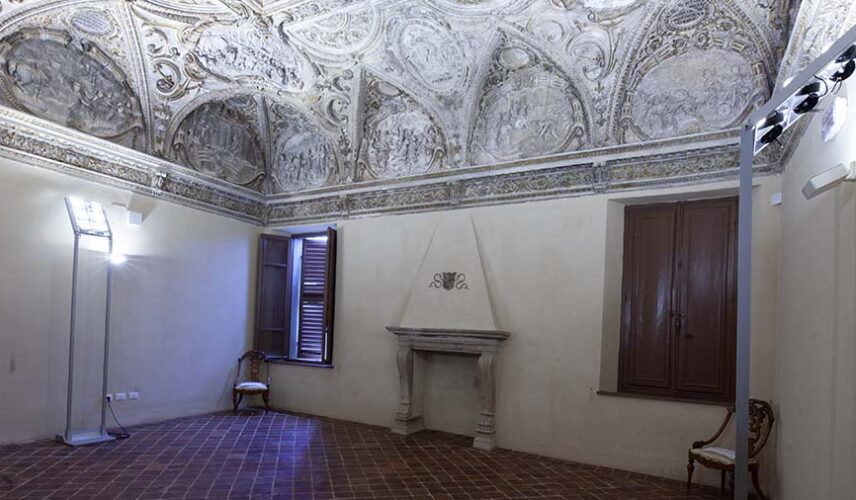
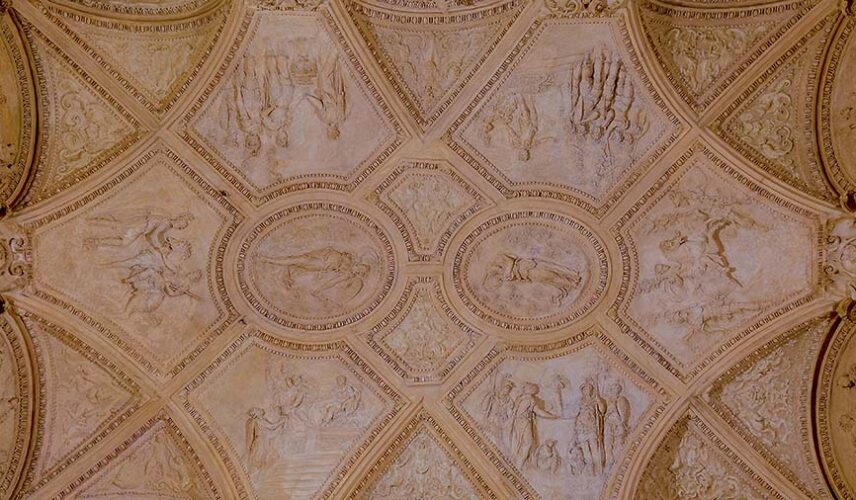
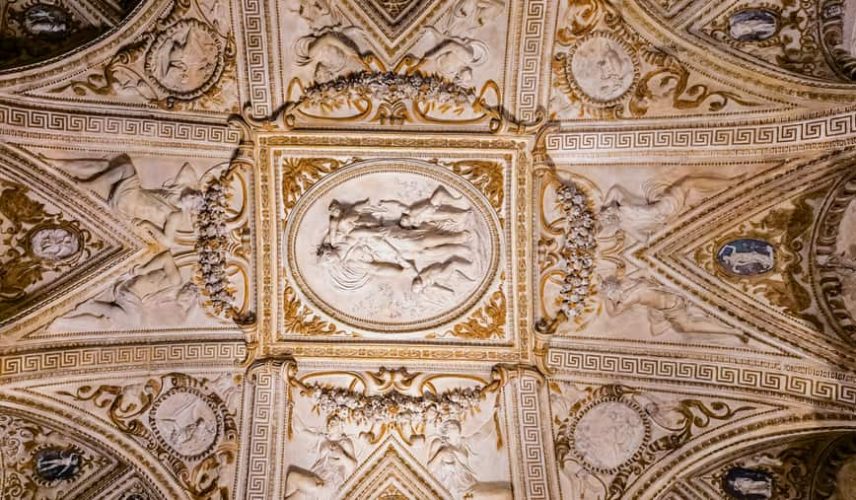
But it is certainly on the upper floor that one of the most beautiful treasures of the city of Senigallia is revealed. A staircase leads to the main floor where you can admire the ceilings entirely decorated in stucco by Federico Brandani from Urbino (circa 1525 – 1575). Brandani, commissioned to create the work by Giuseppe Baviera, spent many years of his life creating it and eventually gave history a jewel of art. The work alternates representations of bloody battles, biblical stories, heroic deeds and historical events without ever losing the harmony of the whole.
The ceilings of the five rooms (of Imperial Rome, Republican Rome, the Iliad, Hercules, the Old Testament) are undoubtedly the greatest expression of Federico Brandani’s work.
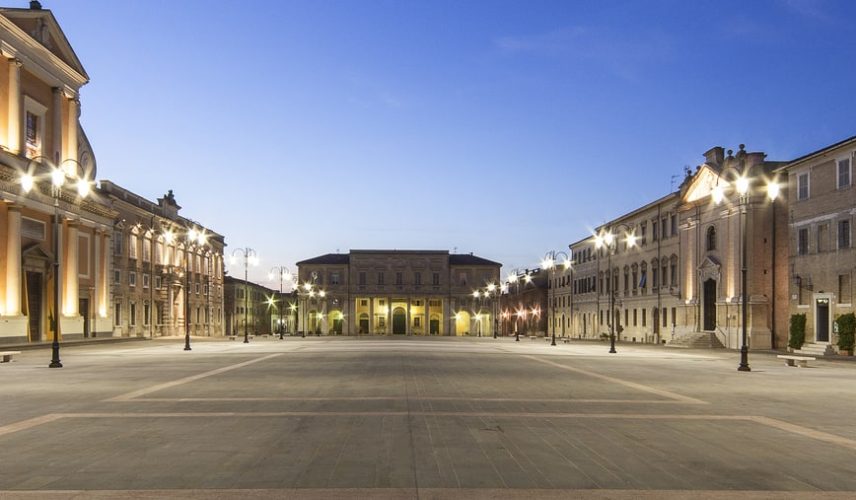
Palazzo del Duca overlooks right in front of the Rocca Roveresca. Commissioned by Guidubaldo II della Rovere in the mid-sixteenth century based on a design by Gerolamo Genga, it was enlarged in the decades immediately following by his son and heir Francesco Maria II, the last representative of the dynasty, who altered the symmetry of the façade, making the entrance portal then located on the left. The palace was not designed to house the duke permanently, but rather as a representative residence for the court and its illustrious guests, who from the windows could admire the military parades that took place in the square.
Inside, a splendid coffered ceiling attributed to Taddeo Zuccari embellishes the Throne Room. The forty-nine coffers were most likely made between 1553 and 1555 and evoke joyful, cheerful, festive atmospheres. But one can also notice irony and satire towards political and cultural power: the master Zuccari paints carnival themes showing an imaginary world in reverse, where children, represented by cherubs, rule over adults, and the poor over the rich. Also visible in the Throne Room is a family tree on paper of the Della Rovere family.
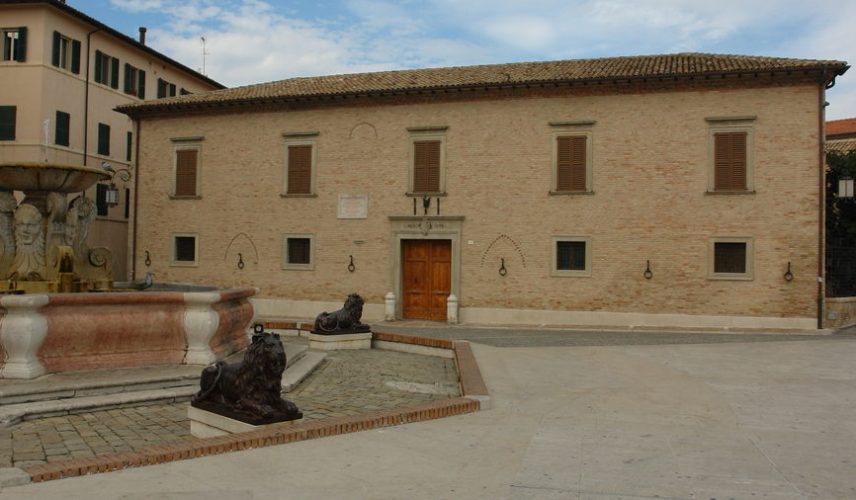
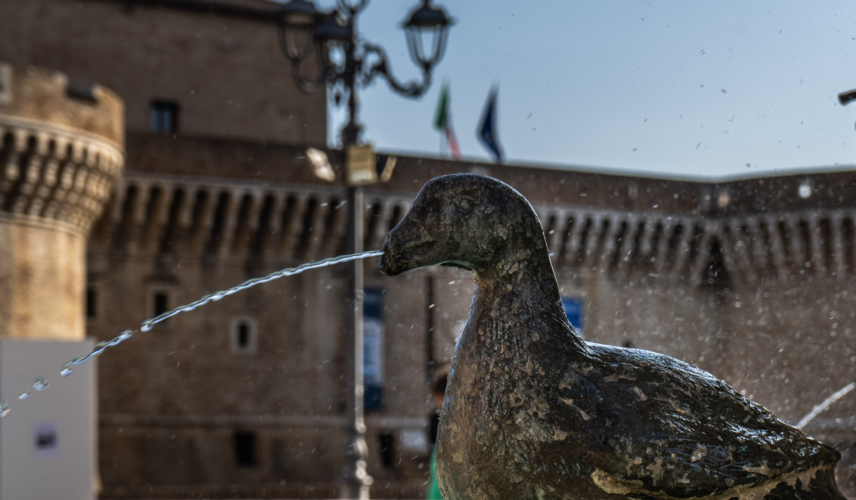
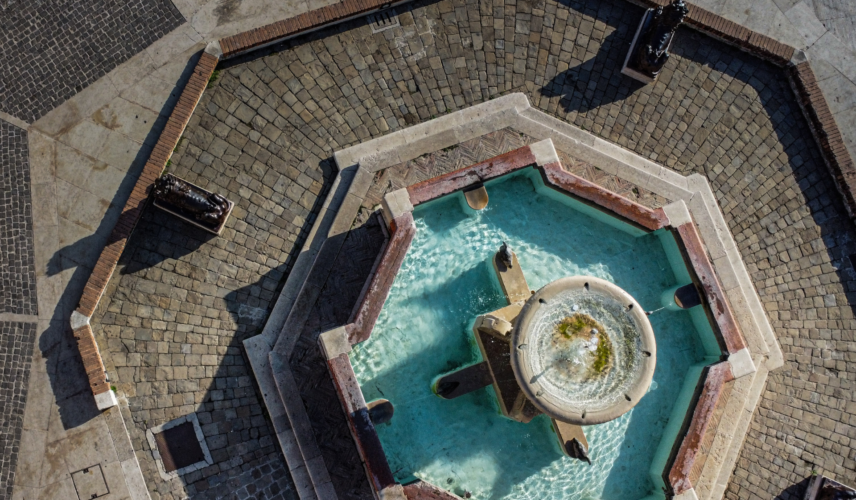
The building overlooks the square of the same name, whose name instead refers to Giovanni Della Rovere. The square has unique characteristics for the Renaissance era: no religious building overlooks it and the so-called Fountain of the Ducks (or Lions) is located in an off-center position, thus confirming the military use of this space.
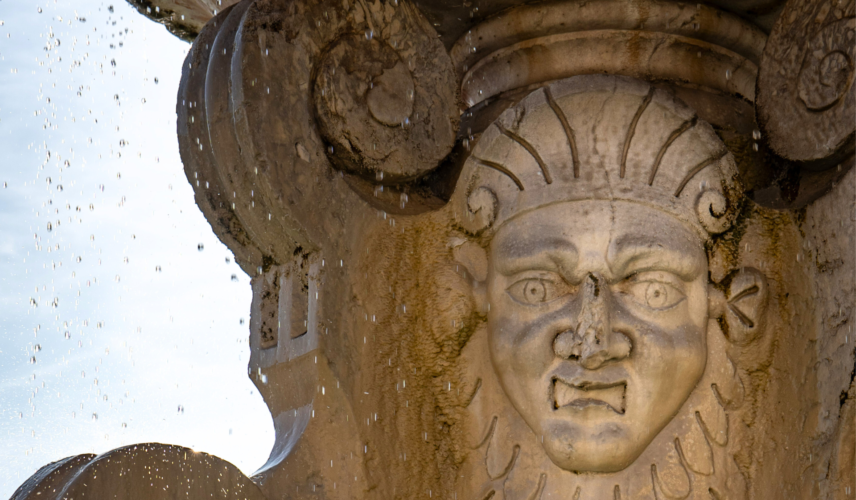
The fountain, built between 1599 and 1602, was commissioned by Francesco Maria II della Rovere to remind the population of the redevelopment of the marshy area of the Saline. Ducks symbolize the birdlife present in the wetland, while water features represent the control of the waters, once carriers of disease and now a symbol of prosperity.
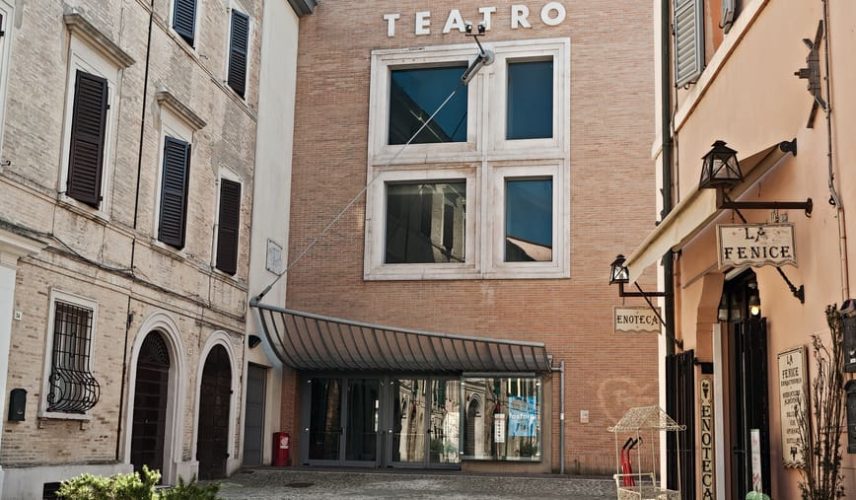
Inaugurato il 5 dicembre 1996 sorge nel medesimo luogo dei precedenti teatri cittadini e sopra l’area archeologica da cui lo separa ben più di duemila anni di storia.
Il teatro La Fenice venne inaugurato il 5 dicembre 1996 e sorge esattamente nel medesimo luogo dei precedenti teatri cittadini e sopra l’area archeologica da cui lo separa ben più di duemila anni di storia.
La realizzazione del primo teatro comunale fu affidata all’architetto Pietro Ghinelli (1759-1834), uno dei più importanti architetti teatrali che costruì ben 14 teatri tra iquali quelli di Pesaro (1818) e “Le Muse” di Ancona (1826). I lavori iniziati il 18 ottobre 1828 terminarono nel luglio del 1830 ma la notte del 9 agosto 1838 il teatro venne distrutto da un incendio.
Nel gennaio del 1839 partono i lavori di ricostruzione che si concludono in meno di un anno.Il nuovo teatro comunale viene chiamato “La Fenice”. Nel 1930 il terremoto condannò il teatro ad una forzata inagibilità e infine nel 1944 fu colpito da una bomba e le sue macerie furono a lungo una ferita aperta nel cuore della città.
L’attuale Teatro La Fenice è stato progettato dall’architetto Silvio Argentati. I ritrovamenti archeologici romani scoperti durante i lavori, hanno influenzato in modo rilevante il progetto del teatro che è stato quindi pensato come un isolato a più facce ognuna caratterizzata da un’immagine architettonica che rimanda all’architettura della città sulla quale l’edificio prospetta. In particolare il prospetto lungo Via Pisacane, rivolto alla parte settecentesca del centro storico, è caratterizzato da un ordine architettonico gigante che trova i suoi riferimenti nell’architettura dei Portici Ercolani, la struttura urbana più significativa della città del settecento.
Il prospetto opposto che guarda invece all’interno della città murata cinquecentesca, consolidatasi con la signoria dei Della Rovere, è caratterizzato da figure che rimandano all’architettura di quel periodo, come la grande finestra quadripartita che illumina il foyer di forma analoga alle finestre quadripartite presenti in varie architetture dell’epoca come, a Senigallia, nel convento delle Grazie.
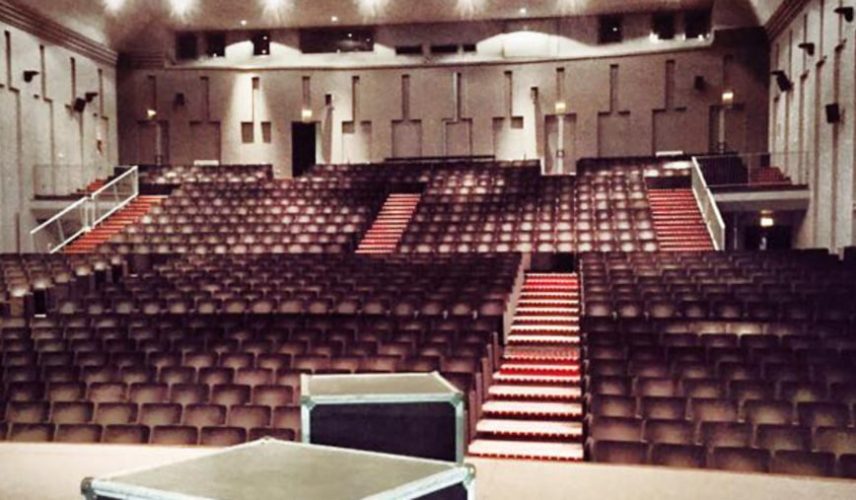
La sala del Teatro La Fenice è costituita da un’unica grande aula a pianta rettangolare (dimensioni m. 32,80 x 24,70) con il pavimento a gradoni di alzata progressivamente crescente che supera un dislivello pari a m. 5,82. La sala ha una capienza di 874 posti. Si tratta di una struttura polifunzionale adatta per spettacoli di lirica, balletto, concerti, teatro di prosa e cinema.
Negli spazi indoor del Teatro La Fenice è possibile connettersi gratuitamente alla rete “Senigallia-Wifi” scaricando l’app Wifi.Italia.it ed eseguire la procedura di registrazione. Chi ne è già in possesso, potrà registrarsi anche attraverso la propria identità digitale (Spid).
Su progetto dell’architetto Pietro Ghinelli, l'imponente palazzo ad isola sostenuto nei suoi quattro lati da porticati in pietra bianca d’Istria uguali a quelli costruiti lungo il canale.
La storia del Palazzo detto della Filanda prende avvio nel 1758 quando il Consiglio Generale dei Nobili, delibera di donare alla famiglia Antonelli i cui componenti tanto si erano prodigati per ottenere dal papa Benedetto XIV l'autorizzazione ad ampliare la città, l’area su cui costruire un proprio palazzo.
Tuttavia, a distanza di circa mezzo secolo, non essendo stato posto un solo mattone, nell’anno 1805 la Magistratura comunale chiede al card. Leonardo ed al conte Bernardino, la restituzione del terreno che viene donato a Vincenzo Micciarelli di Jesi, il quale aveva preso impegno di costruirvi, su progetto dell’architetto Pietro Ghinelli, il magnifico, imponente palazzo ad isola sostenuto nei suoi quattro lati da porticati in pietra bianca d’Istria uguali a quelli costruiti lungo il canale. I lavori ebbero inizio subito dopo la fiera dell’anno 1805 ma per un imprevisto grave dissesto finanziario subito dal Micciarelli, i lavori si protrassero per quasi un trentennio fino a che, nell’impossibilità di portare a compimento l’opera, il Micciarelli, fu costretto a venderlo al conte Lovatti di Roma, che in poco tempo completò l’edificio.
È curioso ricordare che il Comune nell’agosto del 1818 per favorire la fine dei lavori indice una grande lotteria per raccogliere i fondi necessari che però “viene differita per mancanza di azioni” senza che poi se ne fece più nulla.
A testimonianza della maestosità dell’edificio sia sufficiente ricordare come nel 1829 per evitare che in quell’anno la città, ed in particolare la sua celebre fiera franca, rimanesse priva dei consueti spettacoli lirici qualora non fosse stato pronto il nuovo teatro che la Comunità andava costruendo al posto di quello vecchio condominiale utilizzato sino all’anno precedente, l'Amministrazione civica fece subito costruire nel cortile del palazzo Micciarelli un teatro in legno che aveva tre ordini di palchi con 21 palchi per ogni ordine, loggione, platea, atrio, camerini e tutto quanto poteva essere necessario per dare spettacoli di opera e di ballo, che entrò regolarmente in attività e funzionò fino all’anno seguente quando venne aperto il nuovo teatro.
Poi il palazzo passa di mano. Lo rileva un tale Corrado Hoza e lo trasforma in filanda della seta. L’attività si protrae dal 1867 al 1930, l’anno del terremoto.
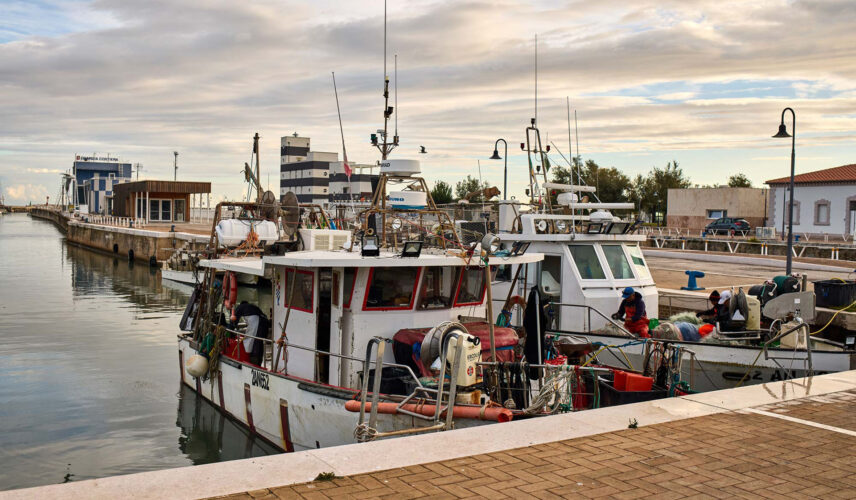
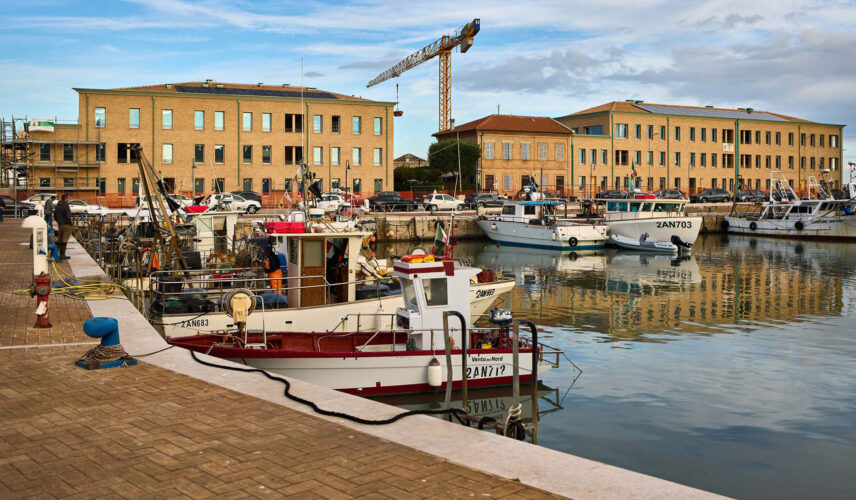
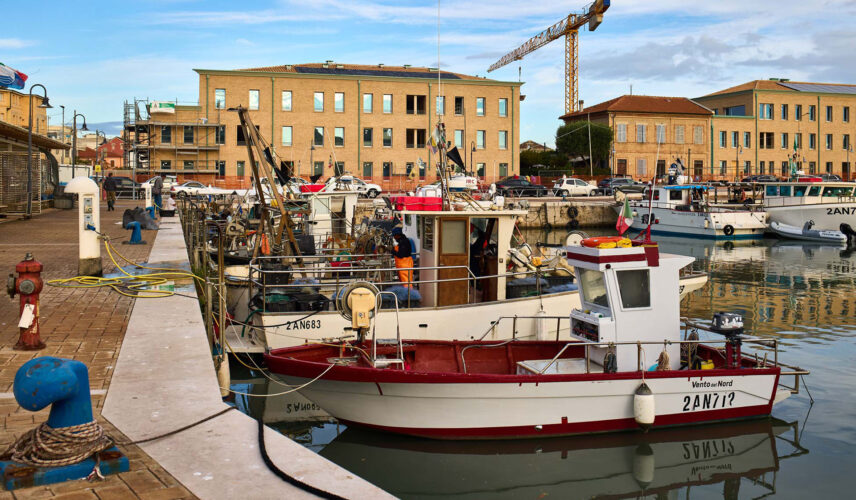
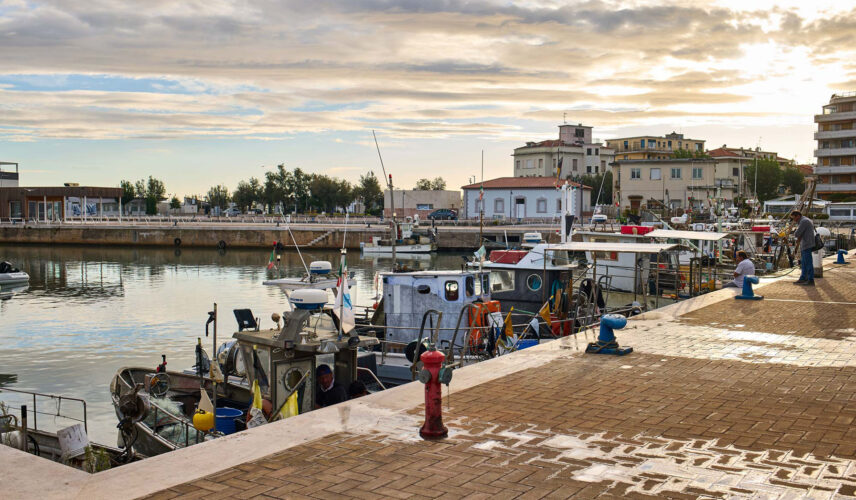
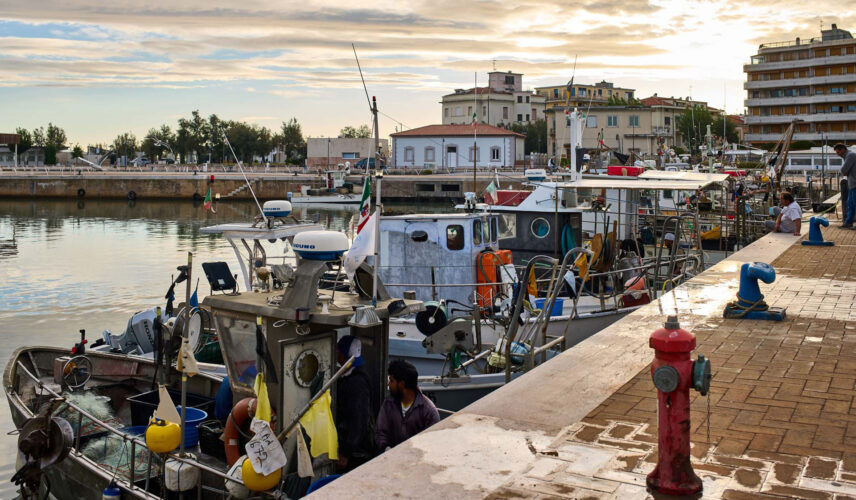
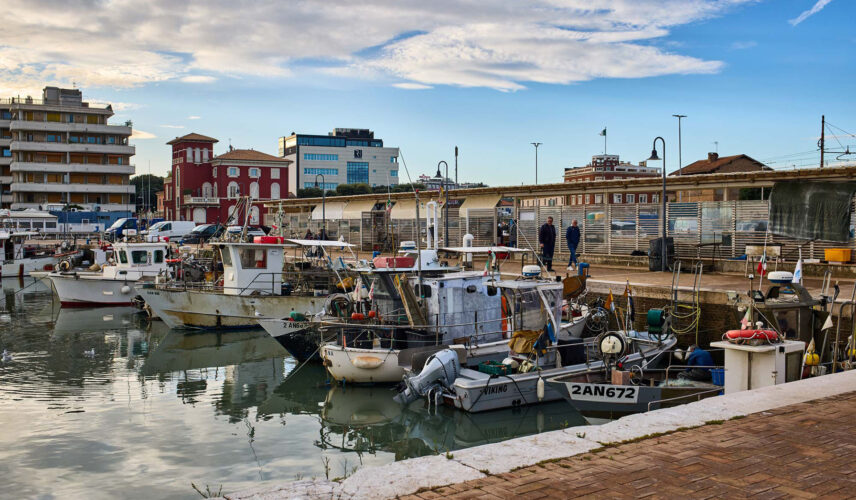
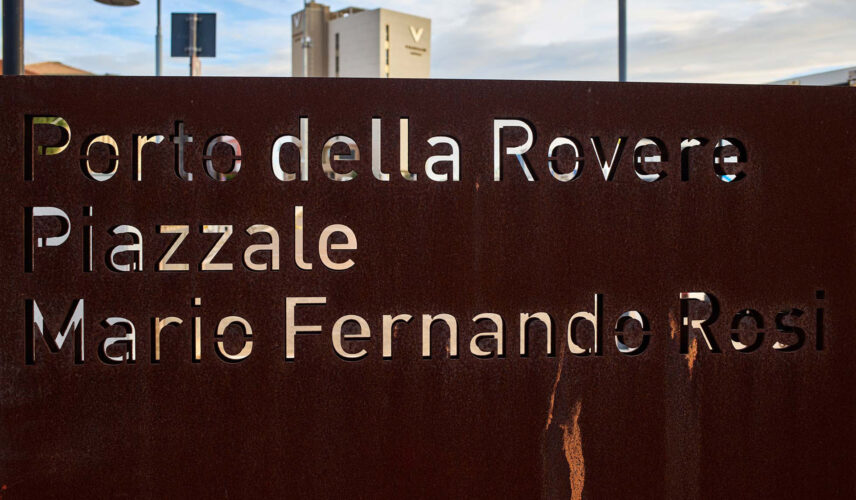
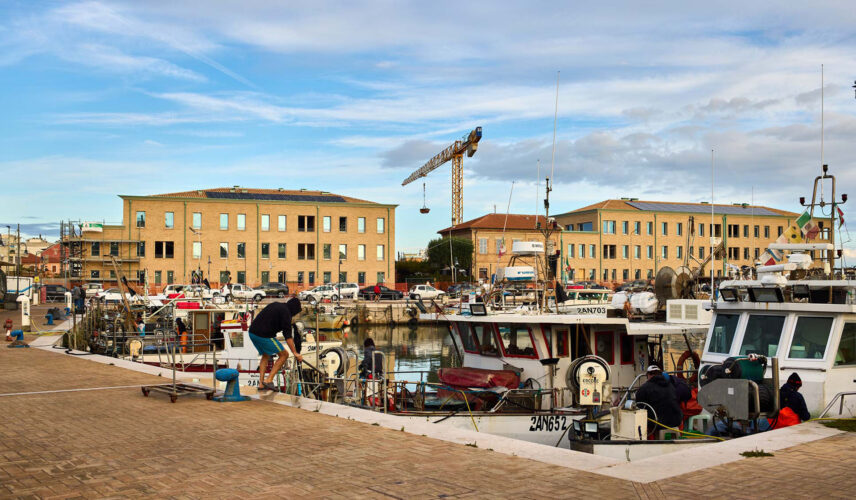
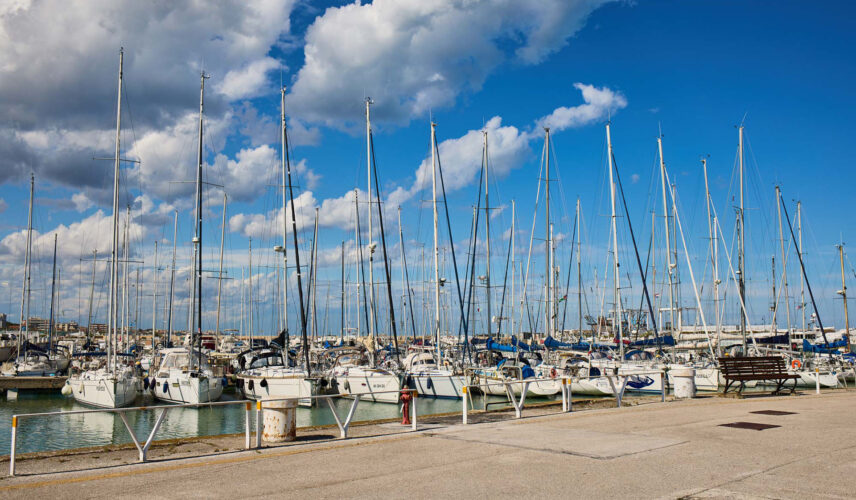
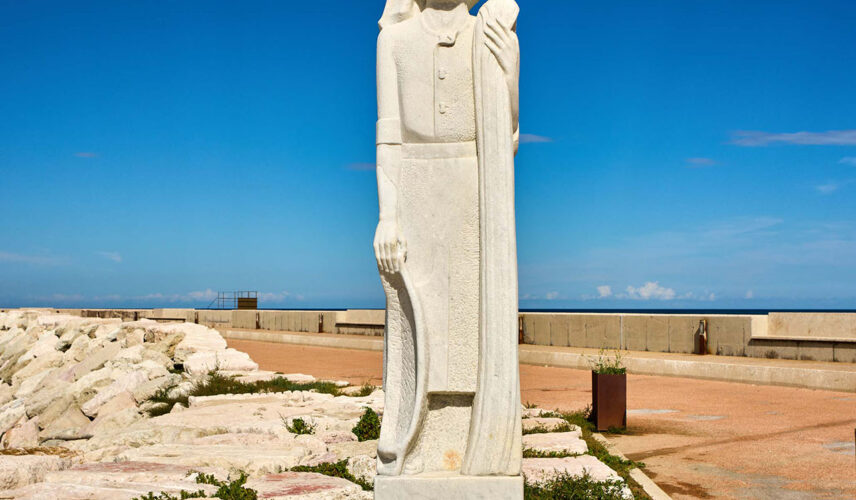
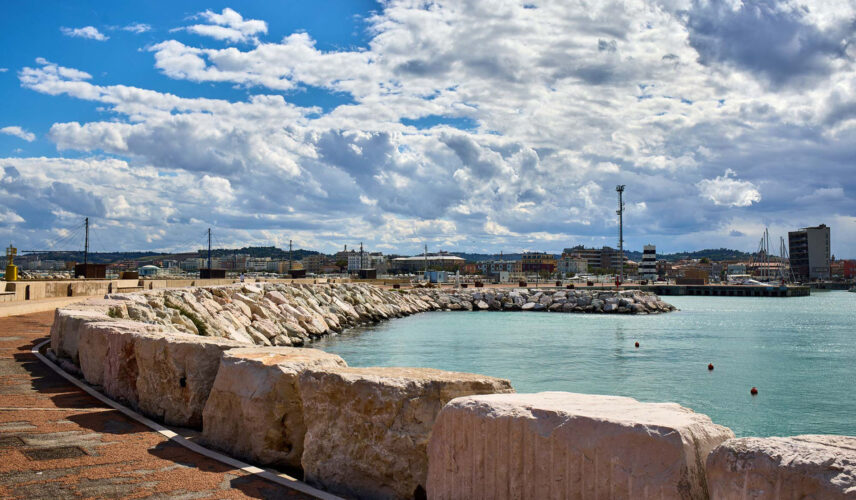
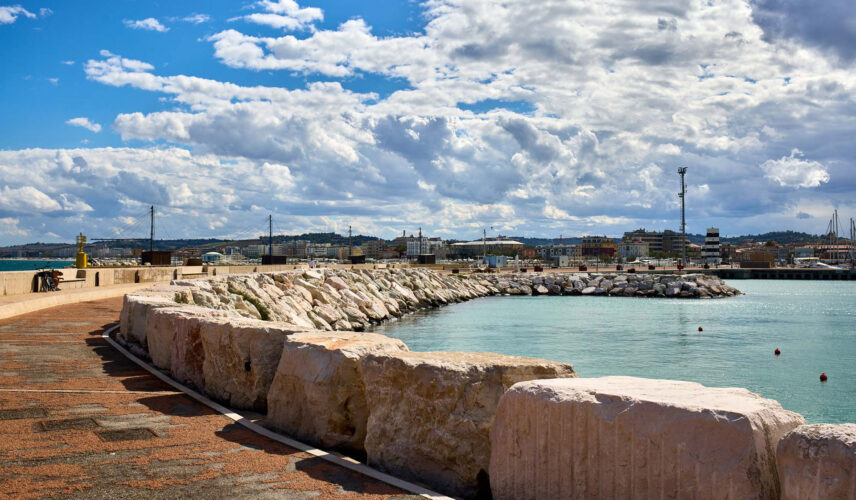
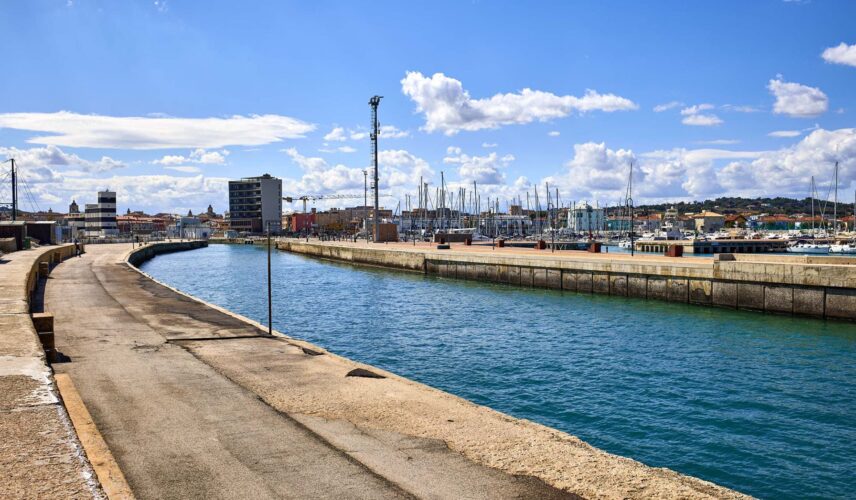
Il porto Della Rovere di Senigallia dall'alba al tramonto un luogo di grande bellezza e fascino
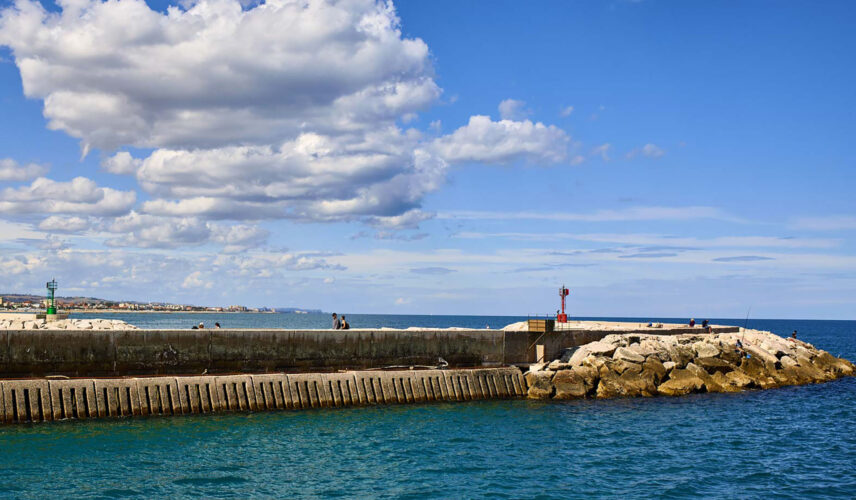
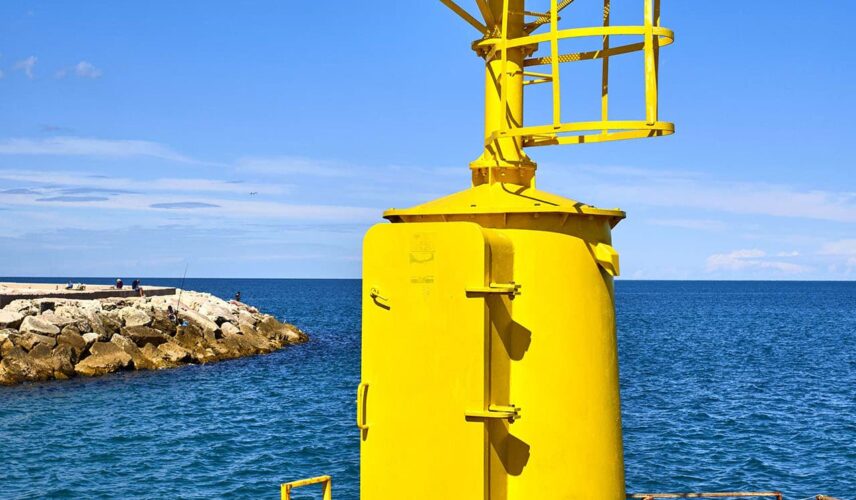
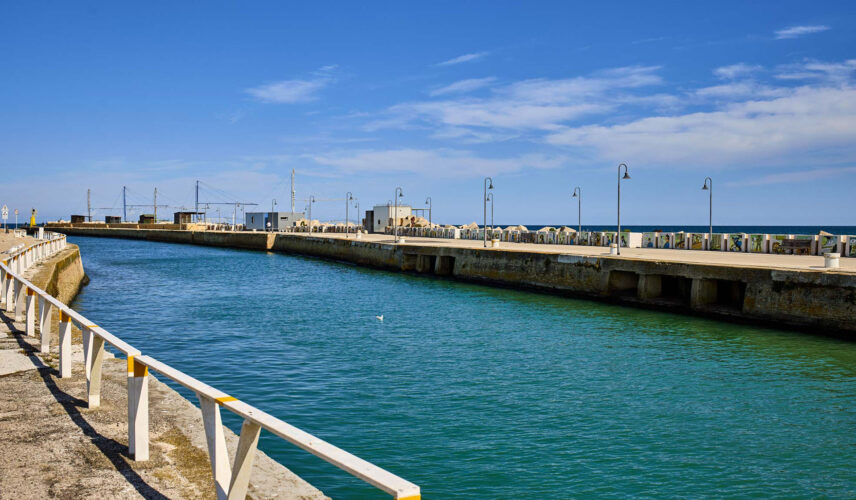
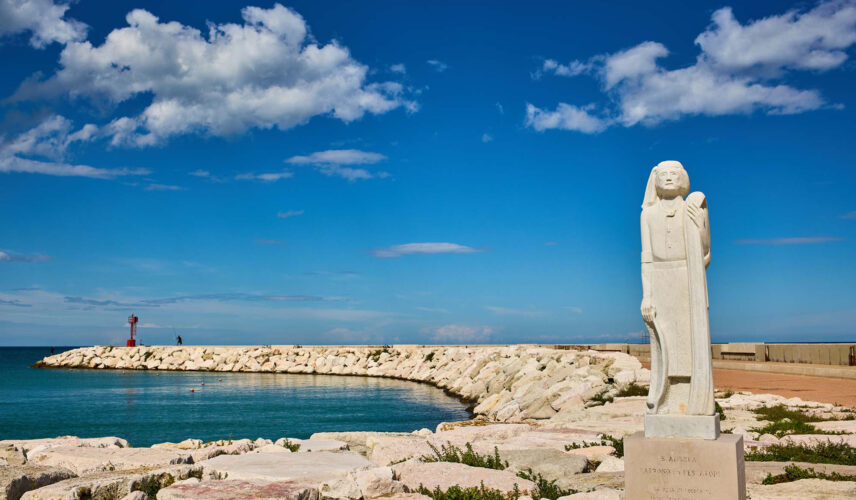
Il porto Della Rovere di Senigallia è un luogo di grande bellezza e fascino, naturale proseguimento di una piacevole passeggiata che partendo da corso Matteotti e proseguendo lungo corso II Giugno, costeggia il fiume Misa fino a toccare il mare Adriatico sulla nuova punta del Molo di Ponente.
Riqualificato e inaugurato con una grande festa nel 2009, permette ai visitatori di godere della vista del mare sconfinato all’orizzonte, nonché di ammirare tutta la costa adriatica dal monte Conero situato a sud di Senigallia fino al monte San Bartolo, a nord vicino a Pesaro.
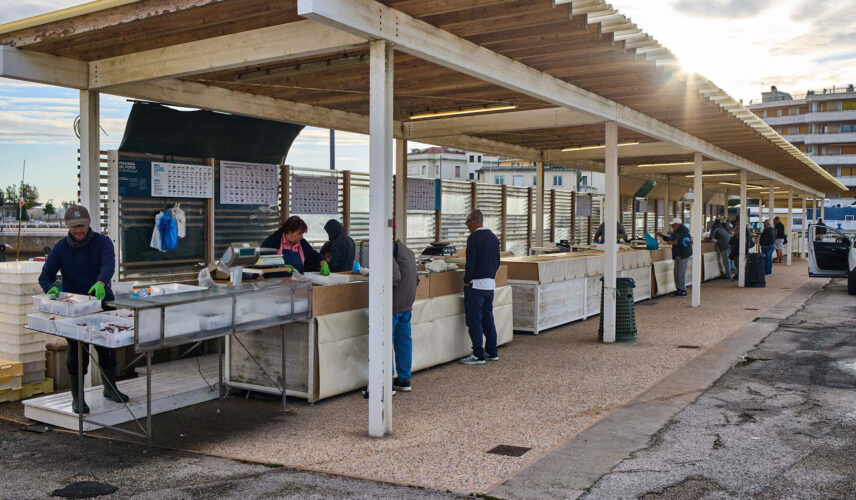
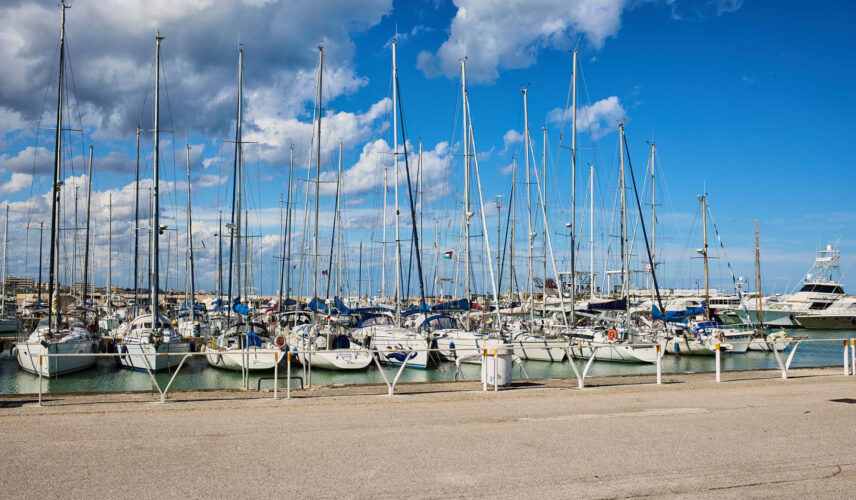
Molto animato fin dalle prime luci del giorno grazie al transito dei pescherecci e al mercato del pesce allestito in una moderna struttura nella banchina Nino Bixio, durante la stagione balneare aumenta la sua accoglienza grazie al porto turistico, che offre la possibilità di ancoraggio a tariffe particolarmente vantaggiose con servizi che vanno dall’assistenza all’ormeggio con marinai, fino alla riparazione dei motori.
Molto attivi al Porto Club Nautico e Lega Navale, che hanno dato vita anche al progetto “Senigallia Vela”, una scuola per adulti e bambini nata dalla fusione delle proprie attività. I due sodalizi nei loro locali posizionati nel porto turistico hanno anche un bar, un ristorante con terrazza panoramica, e una sala ricevimenti molto versatile e ideale come location per chiunque voglia utilizzare lo spazio per proprie iniziative.
Grazie alla sua conformazione il Porto di Senigallia si presta anche ad essere teatro di suggestive manifestazioni culturali, tra cui negli ultimi anni ha riscosso un notevole successo la rassegna cinematografica CinemAmare.
Non perdetevi allora una passeggiata al Porto della Rovere, dove vi rimarranno negli occhi le luci ed i colori al sorgere e al tramontare del sole, con il rumore del mare ad accompagnare i vostri passi.
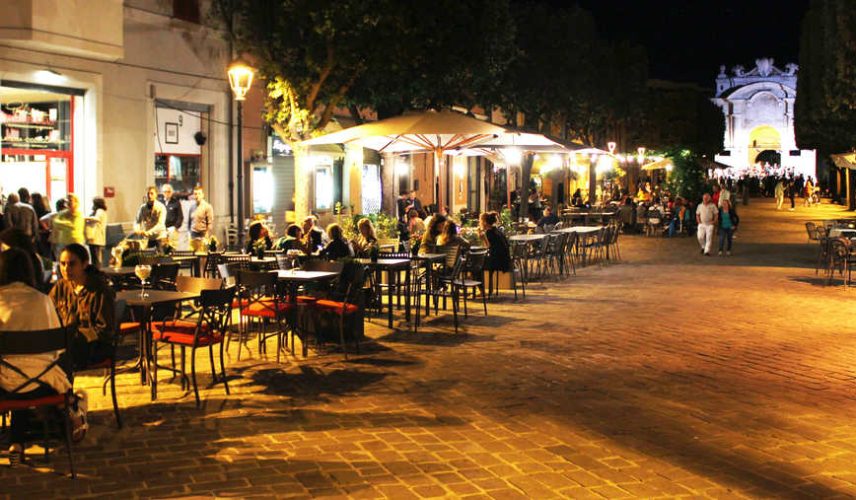
A not to be missed stop for visitors, via Carducci is the “lounge” of the historical town centre with a bohemian atmosphere.
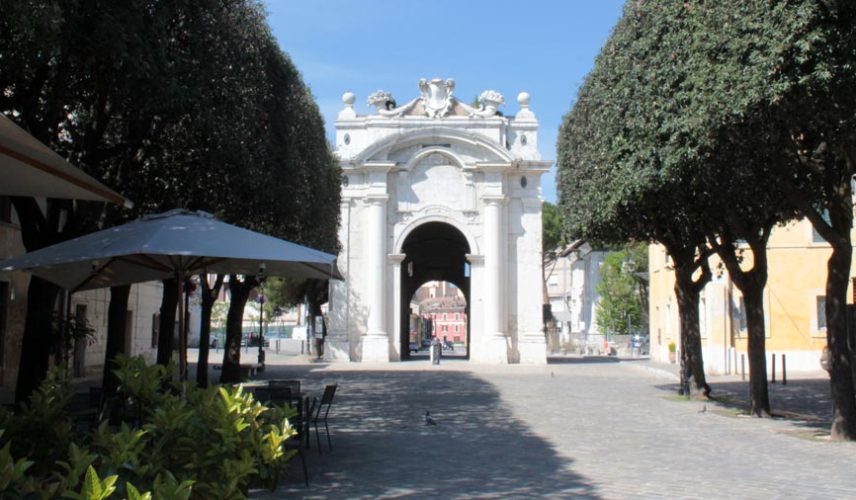
The splendid frame of Via Carducci, enriched by the powerful Porta Lambertina (the city door dedicated to Pope Benedict XIV, Prospero Lambertini), is a privileged venue to host events, concerts, and fairs.
The memory of the old magnificent Fiera della Maddalena (Magdalene’s Trade Fair) is still vivid: here many foreign consulates had their offices to protect the merchants and their activities. Today, the names of the streets – Rodi, Smirne, Corfù, Narente – are an evidence of the lively trade between the fair and Europe, and especially with the East, which made Senigallia famous all over the continent.
With the recent refurbishment works, Via Carducci has seen the set-up of many trade activities. Some of them, like “Brunelli” ice cream parlour and “Nanà piccolo bistrot” wine place, have received numerous international prized and awards.
Via Carducci is connected to the port and to Mameli seafront with a pedestrian/bike underpass to enjoy a beautiful walk along the beach starting from the city centre.
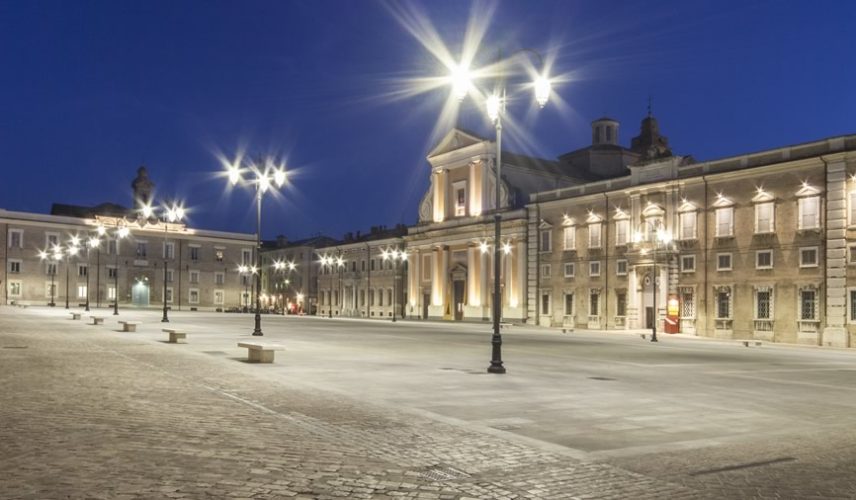
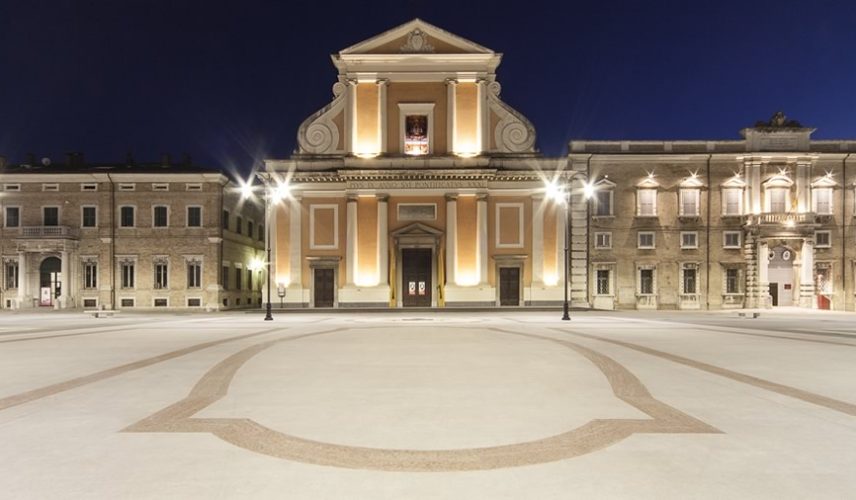
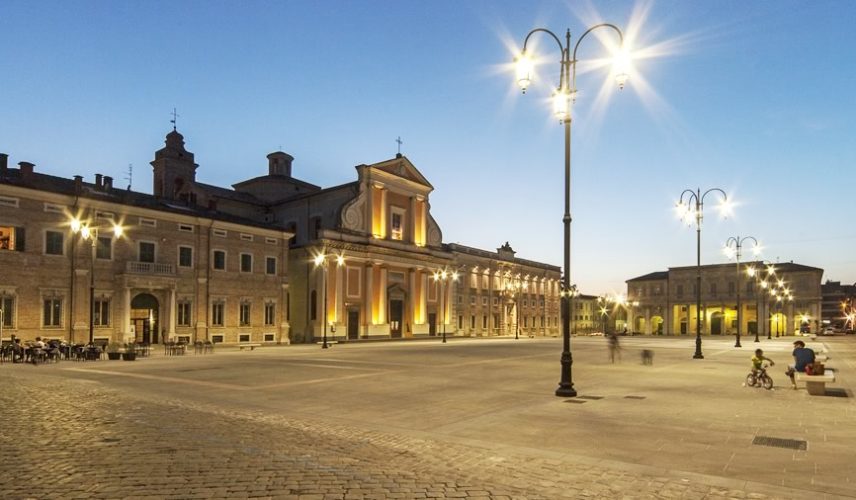
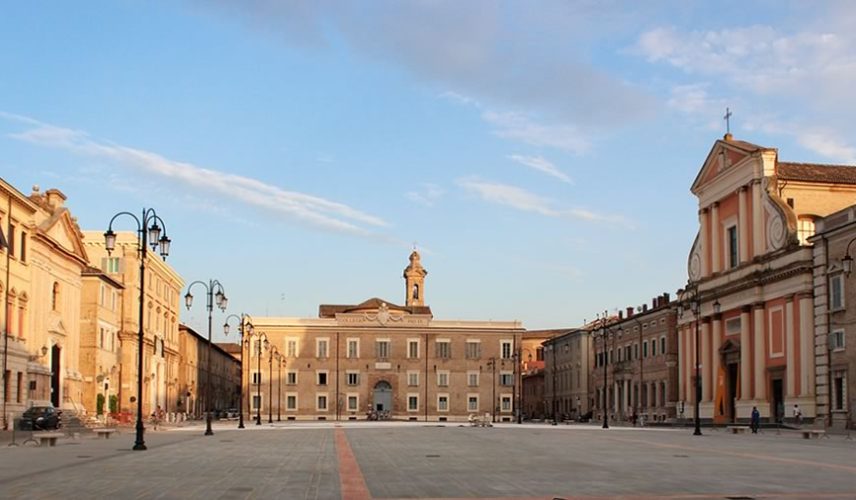
Just like Portici Ercolani, Piazza Garibaldi, also known as Piazza del Duomo, recalls the most splendid time of Senigallia’s fair. It belongs to the urban development works ordered by Pope Lambertini in the mid of the 18th century.
Thanks to the recent refurbishment works, Piazza Garibaldi is a charming urban scenario, surrounded by public buildings with high architectural value: Palazzo Becci, Cattedrale di San Pietro Apostolo (Cathedral of Saint Peter the Apostle), Palazzo Vescovile (Bishop’s Palace) with Pinacoteca Diocesana, Palazzo Micciarelli (a former spinning mill), Auditorium San Rocco, Palazzo delle Dogane (Il Doganone) (The Customs Building) and Collegio Ginnasio Pio IX.
Especially worth of mention are Palazzo Micciarelli, designed by Senigallia’s architect Pietro Ghinelli, which in the early 19th century its courtyard hosted a communal wooden theatre, and the Cathedral, full of works of art.
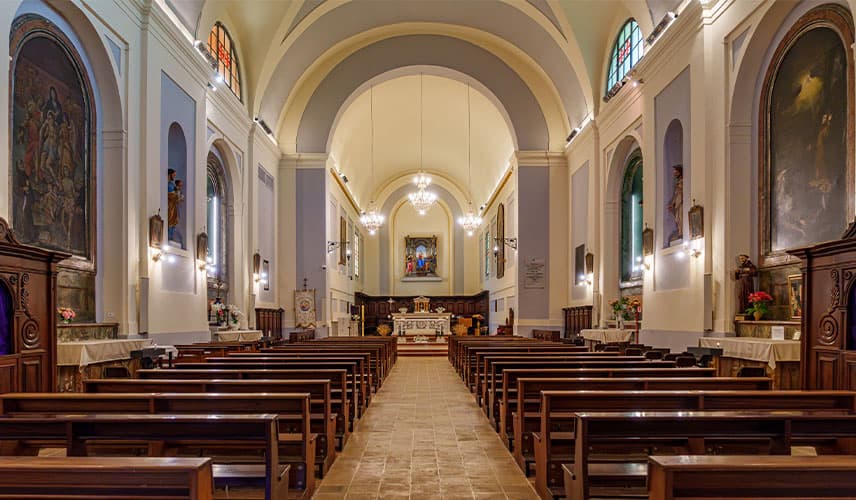
The Church and Convent of Santa Maria delle Grazie is situated in a fascinating location, just a couple of km out of town, amongst the hills. It can be easily reached in a few minutes by car or with public means of transportation. They were built as a votive offering by Giovanni della Rovere and his wife Giovanna da Montefeltro after the birth of their longed-for male heir, Francesco Maria, in 1490.
The construction works of the Convent started in 1491 according to a project by Baccio Pontelli. The monumental complex was designed to host the Franciscan friars and the Della Rovere family tomb. It was completed by Vittoria della Rovere, the last heir of the Rovere dynasty.
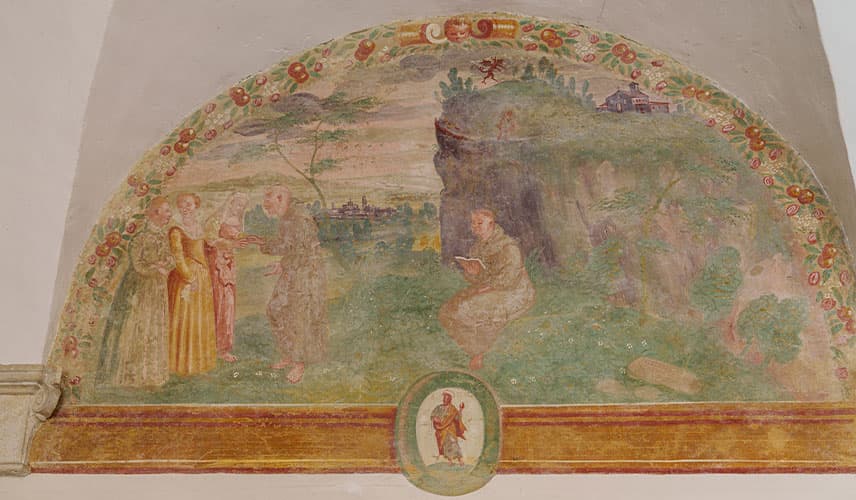
The original design of the complex, which was repeatedly changed also in terms of size, included two large cloisters, whereas the current ones retain lunettes frescoed with images from Saint Francis’ life and miracles.
The Church was completed in 1684 thanks to the donations from Vittoria Della Rovere, who was married to Ferdinando II de Medici, when the Dukedom of Urbino returned to the Church because of the extinction of the Rovere family. The Medici’s coat of arms on the façade, above the portal, is a memory of the event.
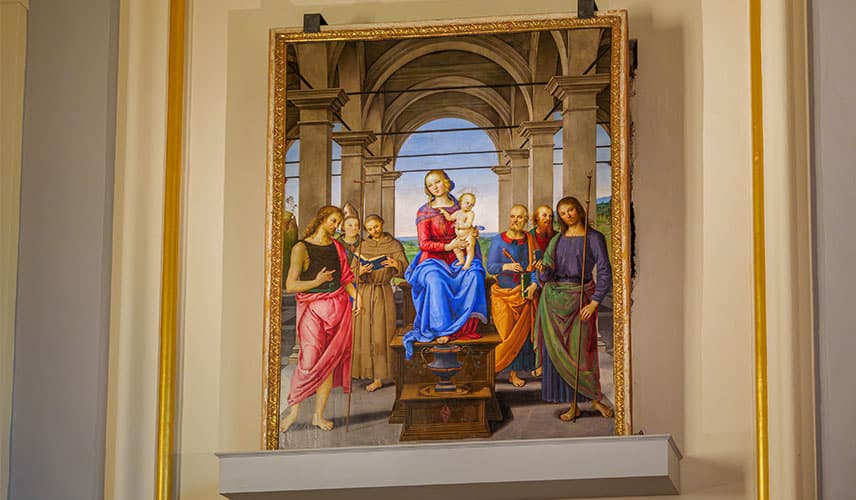
The interior space is simple and essential. Behind the altar, visitors will appreciate one of the most important works of art of the local territory: "Madonna con Santi" (Virgin with Saints) by Perugino. The painting, which dates back to 1490, represents the Virgin with the Infant Jesus accompanied by six saints. Until 1917 the Church hosted Piero della Francesca’s “Madonna di Senigallia”, which was transferred to Urbino in the turbulent years of the First World War.
Giovanni Della Rovere was buried in 1501 in the sacristy, where a finely-made basin from the 15th century is found.
Today, a wing of the convent hosts Museo di Storia della Mezzadria Sergio Anselmi (Sergio Anselmi Museum of Sharecropping), rich in valuable objects and documents.
Following the Decree of the Council of Ministers released to limit the contagion from Coronvirus, the museum Mastai Palace’s activity is suspended until 24.00 on 3 May 2020. < / strong>
Senigallia’s illustrious citizens include a Pope: Pius IX, Giovanni Maria Mastai Ferretti in the world, born in 1792 from the Mastai noble family that had moved to Senigallia from Crema. The Mastai family lived in Senigallia until the beginning of the 20th century.
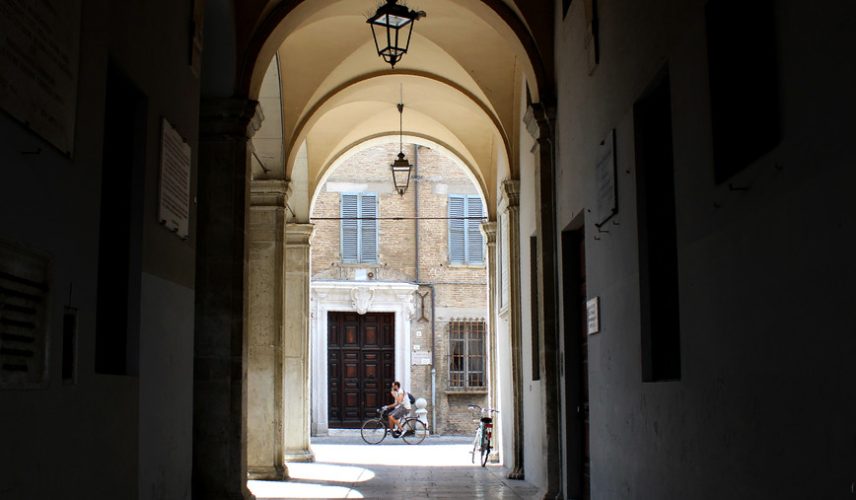
The building of Mastai Palace was erected at the beginning of the 16th century and is the birth place of Count Giovanni Maria, future Pope under the name of Pius IX.
The architectural line is sober and severe, whereas the interior space is a typical example of a noble residence from the 16th -17th century. The halls on the first floor are occupied by the Museum with a rich collection of important memorabilia from Pius IX’s life. Other remarkable items include the portal with the coat of arms and the reception hall decorated with a cycle of twenty works with Biblical subjects painted by the local artist Giovanni Anastasi (1653-1704). In the Amnesty Hall visitors can admire two Roman amphorae that were found in the Adriatic Sea by Senigallia’s fishermen. The Noble Chapel hosts a beautiful copy of “Madonna detta del Sassoferrato”.
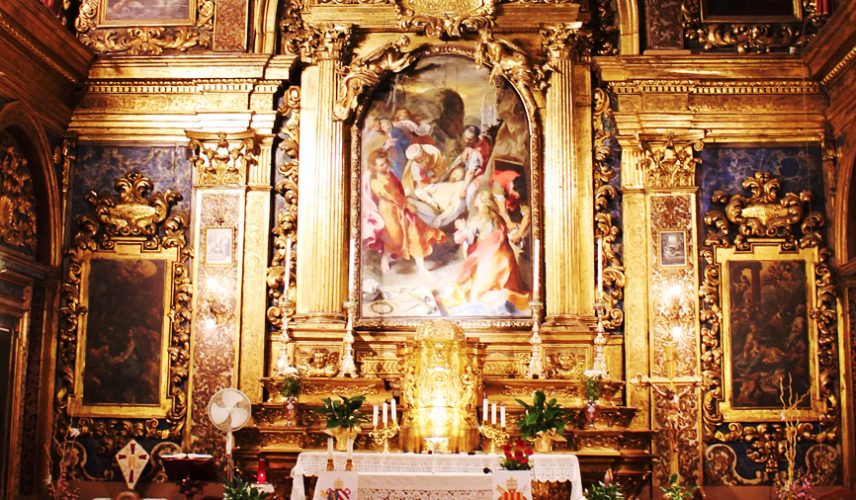
A few meters from Palazzo Comunale (Town hall) and the main street called Corso II Giugno, Church of the Cross is a real and probably unexpected surprise. The late-Renaissance sober façade contrasts with the opulent and magnificent Baroque style of the interior space, enriched by the painting known as “Sepoltura di Cristo” (Burial of Christ) by Federico Barocci.
Designed by the Duke’s architect Muzio Oddi, the Church was consecrated in 1608 by Confraternita del Sacramento e della Croce (Confraternity of Sacrament and Cross) that was committed in assisting the poor. The original idea was to create an oratory for the confraternity and, in fact, its structure reminds of a hall, rather than a church.
The marvellous stucco and gold decoration includes six lateral altars and the unusual coffered ceiling, a masterpiece with golden/bronze colour shades.
The valuable small church contains may important works of art, among them a real gem: the Altar Piece painted by Federico Barocci in 1592 representing the burial of Christ. The artist depicts Christ accompanied to the sepulchre by Joseph of Arimathea and Nicodemus, as an ideal prosecution of the “Deposition” previously painted for the Cathedral (Duomo) of Perugia. Mount Calvary and the Duke’s Palace of Urbino can be seen in the background.
Of the lateral altars, the one dedicated to Saint Barbara is worth mentioning. Two cannons frame the portrait of the patroness of bombardiers who had a training school near Rocca Roveresca.
A remarkable piece is the organ built by Gaetano Callido in 1775, which is still playing.
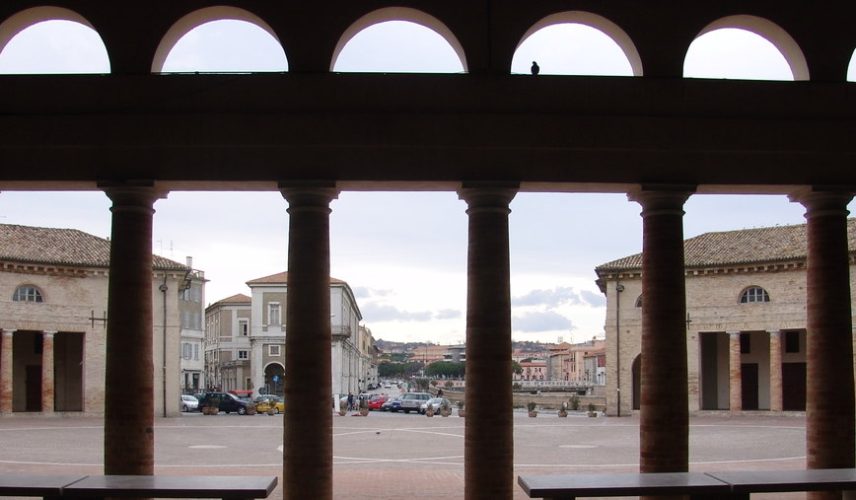
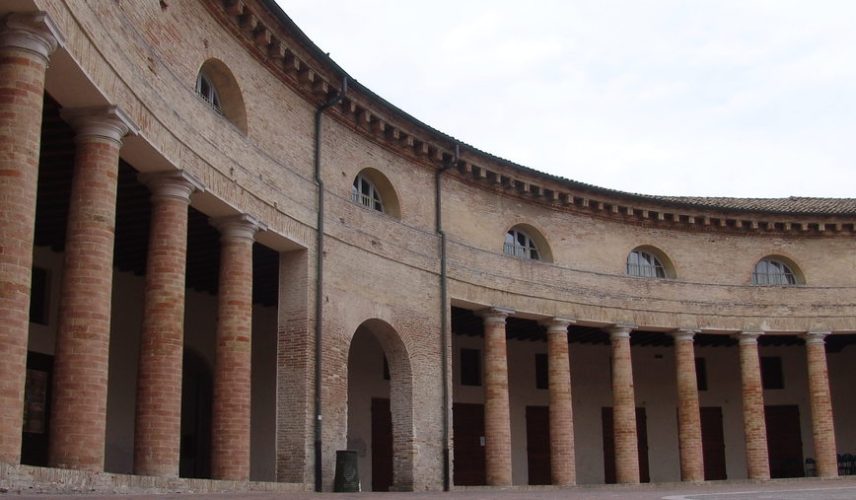
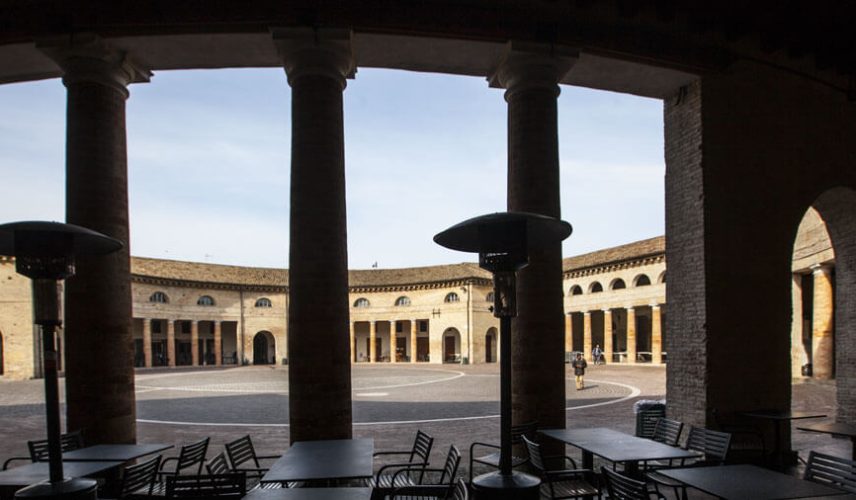
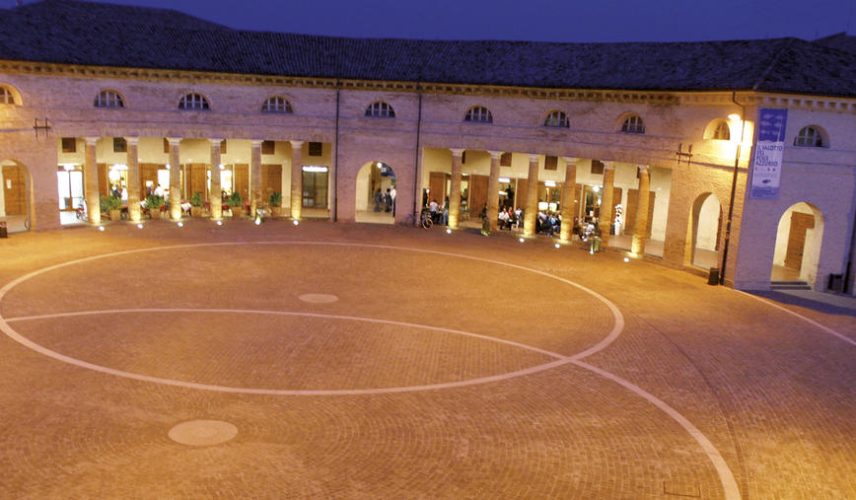
Foro Annonario is a harmonious neoclassical brickwork structure with a welcoming square that was designed to enlarge the commercial area within the ancient city walls.
Every day the circular space hosts a fresh vegetable and fruit market. The colonnade has a total of 24 columns with Dorian capitals, where several small shops offer local foods and wines.
Designed in 1834 by architect Pietro Ghinelli from Senigallia, Foro Annonario is one of Senigallia’s landmarks. Its role in the urban space has remained unchanged since its construction. The heart of Foro Annonario is the square encircled by a total of 24 columns with Dorian capitals. The old fish market is protected by the portico from sunlight, which only reaches this part of the structure at sunset.
Foro Annonario is also a fascinating stage for important events, cultural initiatives and shows. The recent refurbishment works have converted it in the city’s cultural heart: the perfectly restored attic houses a public library (Biblioteca Antonelliana) and the Municipal Archives (Archivio Comunale).
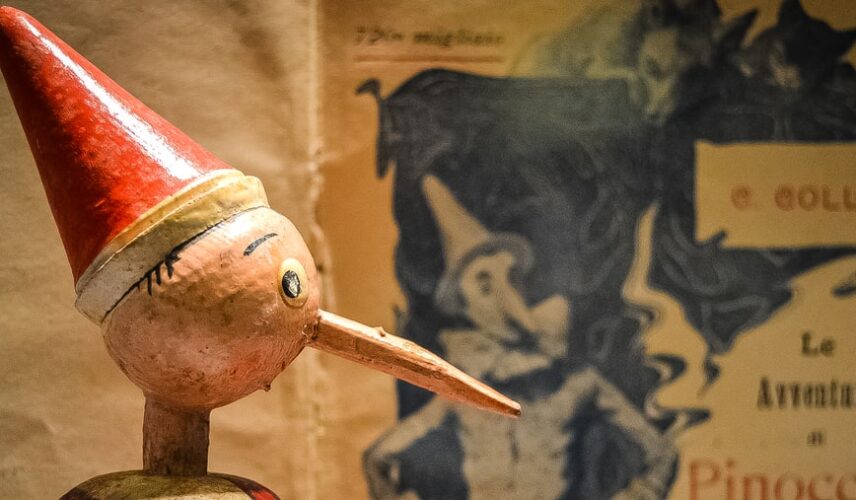
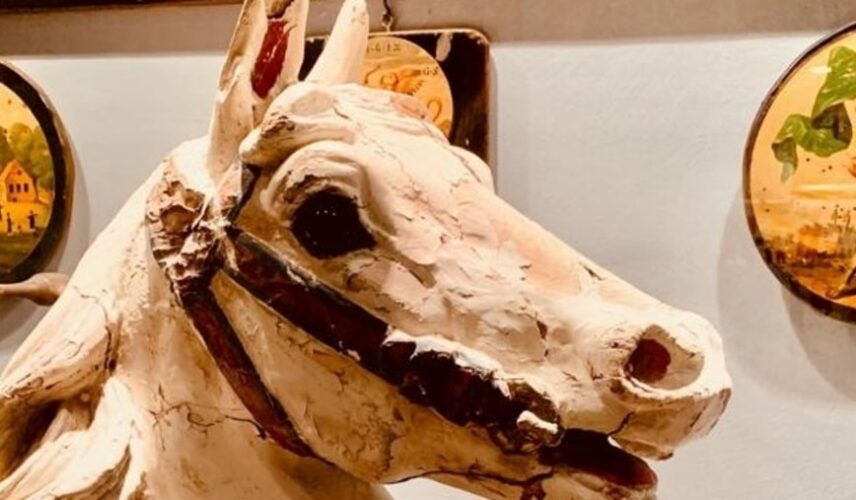
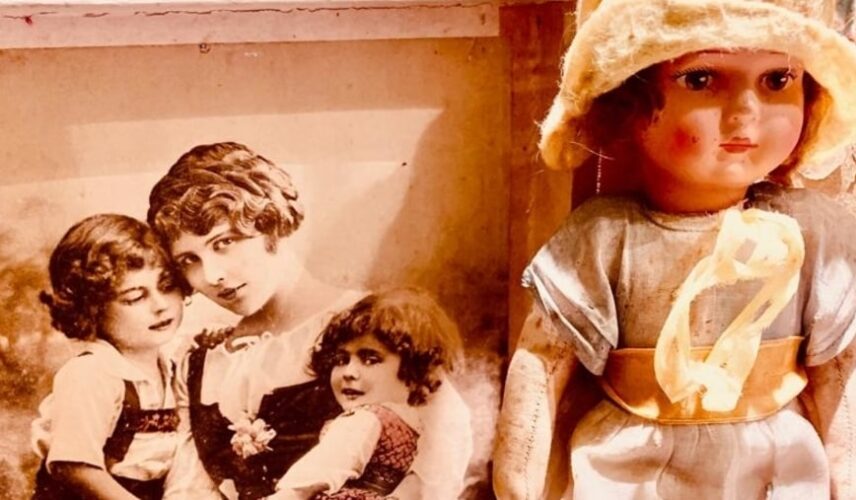
Il Museo si trova al centro storico di Senigallia, in quelle che furono le scuderie dell’antico ed imponente palazzo settecentesco Monti Malvezzi. Il museo vanta una preziosa collezione di giocattoli antichi dall’Ottocento fino all’immediato dopoguerra.
Il Museo si trova al centro storico di Senigallia, in quelle che furono le scuderie dell’antico ed imponente palazzo settecentesco Monti Malvezzi, che dopo un accurato restauro e allestimento curato da Gabriele Ogiva sono così ritornate al loro originario splendore. Il museo vanta una preziosa collezione di giocattoli antichi dall’Ottocento fino all’immediato dopoguerra.
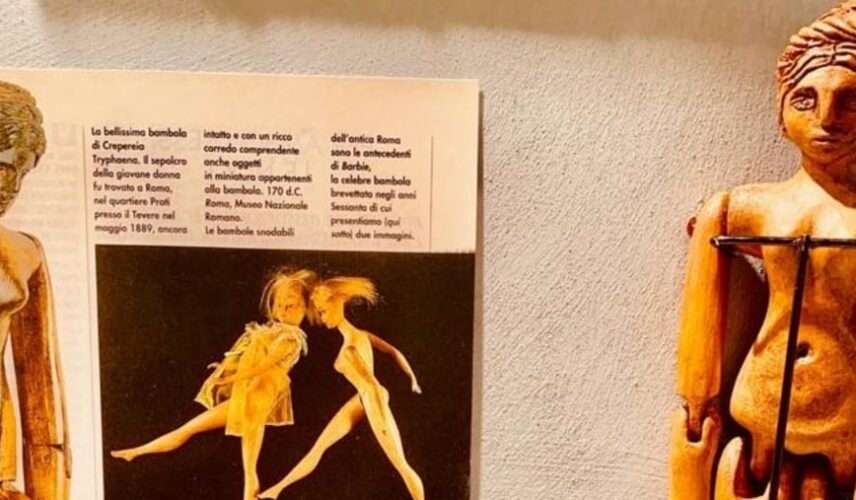
Le ventitré vetrine sono corredate da un percorso storico-artistico curato dalla direttrice artistica Elena Turchi al fine di inserire i giocattoli nel contesto storico-culturale che li ha prodotti; una delle vetrine presenta delle riproduzioni di antichi giocattoli e bambole dell’epoca romana, come la celebre bambola di Crepereia Tryphaena, sono stati eseguiti da Lorenzo ed Anna Marconi dell’Orient Express di Senigallia, una delle eccellenze di Senigallia.
A far da cornice al museo, all’interno ci sono un piccolo teatro, disponibile per eventi culturali e un caffè letterario, a disposizione dei fruitori del teatro, contenente libri artistici e letterari di pregio. Il tutto in un ambiente ricco di fascino, elegante e curato nei dettagli, ricco di suggestioni che solo le cose rare ed antiche riescono ad evocare un luogo in poche parole unico nel suo genere, che ci auspichiamo possa diventare un polo culturale polifunzionale di qualità e di pregio, così come si presenta già ai visitatori, a disposizione della città e di chiunque voglia poter sfruttare tutte le potenzialità che questo luogo offre.
Il Museo avrà anche il piacere di presentare la storia del giocattolo antico anche alle scuole, dove gli alunni saranno condotti da una guida, che utilizzando i toni più appropriati all’età dei bambini, li condurrà in un viaggio lungo i secoli alla scoperta dell’affascinante storia dei giocattoli antichi, quelli che fecero la gioia dei nonni dei loro nonni, una storia poco conosciuta anche dai più grandi.
INTRODUZIONE STORICA
Dalla notte dei tempi, i giocattoli hanno accompagnato la storia dell'uomo. Bastava una pietra levigata,uno scampolo di stoffa un pezzo di legno per accendere la fantasia. Se si parla d’infanzia il discorso si fa più complesso.Non in tutte le epoche il bambino e le problematichedell'infanzia furono affrontate in egual maniera.Storia, arte, unitamente ad un approccio sociologico psicologico ed archeologico, si fondonorendendo l'argomento complicato, ma al tempo stessoun caleidoscopico viaggio nei secoli, curioso e stimolante.Nelle epoche più antiche, come in quella greca e romanal'infanzia era solo una tappa della vita che conduceva all'età adulta.Nei secoli bui del Medioevo, non esisteva il concetto di infanzia.Solo nel Rinascimento, l'invenzione della stampa a caratteri mobili, creò una prima distinzione tra coloro che erano capaci di leggere e di scrivere.Bisognerà aspettare il Settecento,con l'Illuminismo,per poter parlare di una questione infantile. Jean Jeacques Rosseau, considerato il padre della pedagogia moderna, nel suo Emile parlò dell'infanzia come tappa primaria e fondamentale nello sviluppo dell'uomo, momento delicato della vita su cui bisognava intervenire il meno possibile, in quanto il bambino, nella sua bontà originaria, va considerato quale essere perfetto ed incorrotto, che esce dalle mani del Creatore.Nell’Ottocento, il secolo del positivismo, del progresso, della borghesia, e al tempo stesso degli ideali romantici, il giocattolo doveva riprodurre ogni aspetto della vita vera, quella vissuta dagli adulti, a cui ogni bambino doveva aspirare…ecco che il cavallo a dondolo e la spada, sinonimi di potenza, erano destinati ai bambini ricchi, mentre ai figli degli artigiani, erano concessi gli arnesi del mestiere, per prepararsi ai ruoli del padre. E le bambine? Si preparavano al futuro ruolo di mogli e di madri attraverso le bambole. Victor Hugo a proposito scriveva: “il primo bambino viene a sostituire l’ultima bambola”.Lasciatevi guidare nella visita, in un viaggio lungo i secoli, attraverso il fascino dei giocattoli che per il loro fascino e bellezza, continuano a nutrire la fantasia dei più grandi e dei più piccini, creando suggestioni difficili da definire e da descrivere.
PALAZZO MONTI MALVEZZI
Il Teatro-Museo, sorge nelle scuderie di Palazzo Monti Malvezzi, nel centro storico di Senigallia, all’interno delle antiche mura del pentagono guidubaldino.L’edificio venne edificato nella prima metà del Settecento, per volontà di Matteo Monti,ricco mercante. Tra i più importanti edifici storici della città, stupisce per il contrasto tra le linee solide e sobrie della sua struttura ed i sontuosi affreschi che ne decorano le volte nei piani nobili. Fu in queste sale che, nel 1727, Giovanni Paolo Monti,seguendo il costume della sua famiglia e il desiderio di primato che gli era proprio e quello della nobiltà del tempo, incline agli spettacoli ed al divertimento, che venne allestito il primo teatrino privato della città.
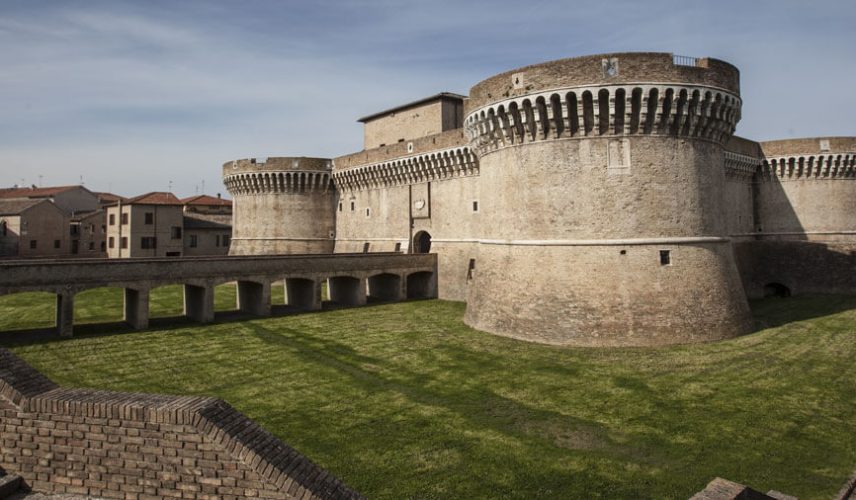
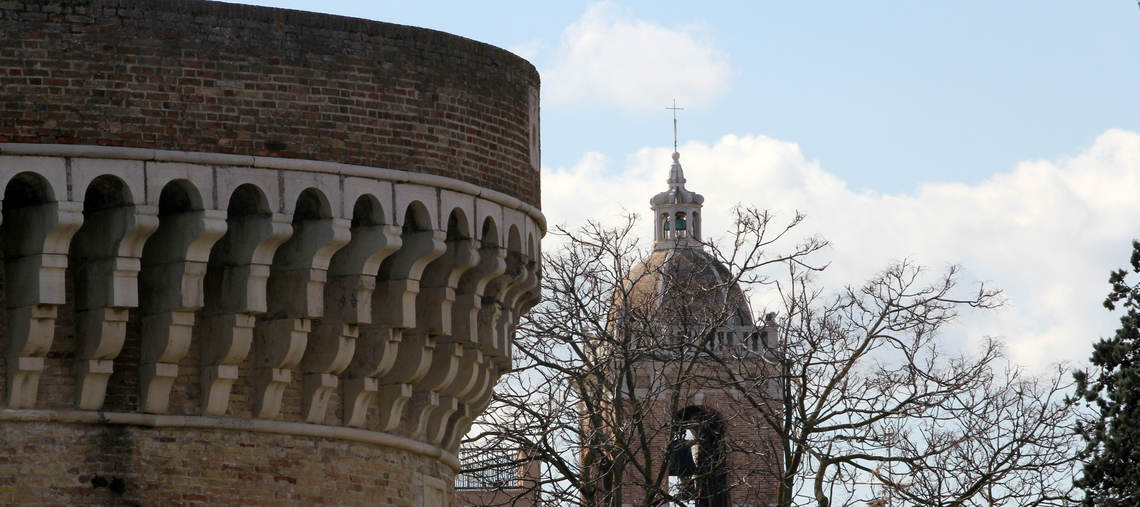
Rocca Roveresca is one of Senigallia’s not to be missed monuments. It can be defined as an extraordinary history book: as a matter of fact, it is the result of overlapping defensive structures that were built throughout the centuries, starting from the origins, in an especially strategically important location.
The defensive structure that was already present when the town was founded by the Romans was integrated over time with towers and bastions. The Rocchetta (small castle) built by Egidio Albornoz in the 14th century is still visible, together with the Rocca (castle) of Sigismondo Pandolfo Malatesta that was added in 1450.
The current structure of the monument is due to Giovanni della Rovere, Prince of Senigallia, and son-in-law of Federico III da Montefeltro, the Duke of Urbino. It was the Duke Federico who offered Giovanni the best architects of the time: Luciano Laurana and Baccio Pontelli. The works started in 1478 with the purpose of adapting the castle to the new defensive needs. In 1503 the Rocca was conquered by Cesare Borgia, the author of the famous massacre carried out in Senigallia and described by Niccolò Machiavelli.
Rocca Roveresca is a unique monument because it was not only a fortress, but also a noble palace, and the seat of an artillery academy founded by Guidubaldo della Rovere in 1533. After the extinction of the ducal dynasty, when the town returned under the domain of the Church in 1631, the castle was used as a papal prison and an orphanage.
Today it hosts art exhibitions and prestigious cultural events.
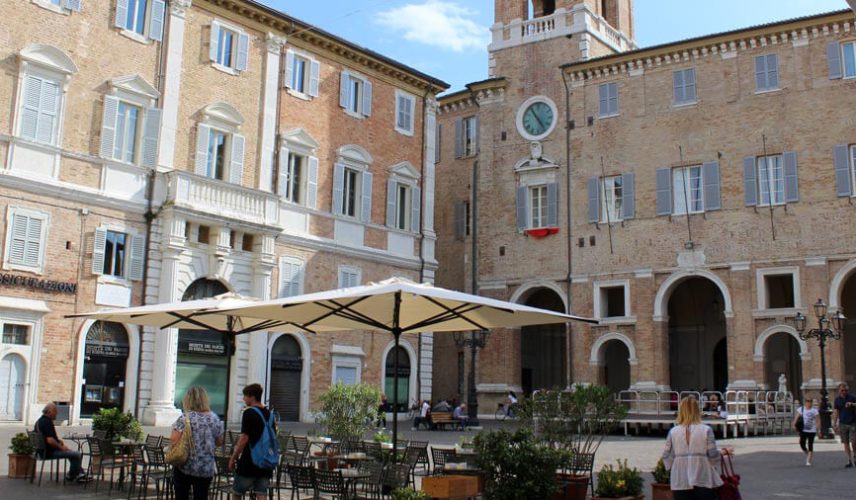
Piazza Roma is a real agora and the administrative heart of the town. The 17th-century Palazzo del Governo (Town hall) overlooking the square was built by Francesco Maria II Della Rovere in 1609. The project of Urbino’s architect Muzio Oddi was completed in 1644.
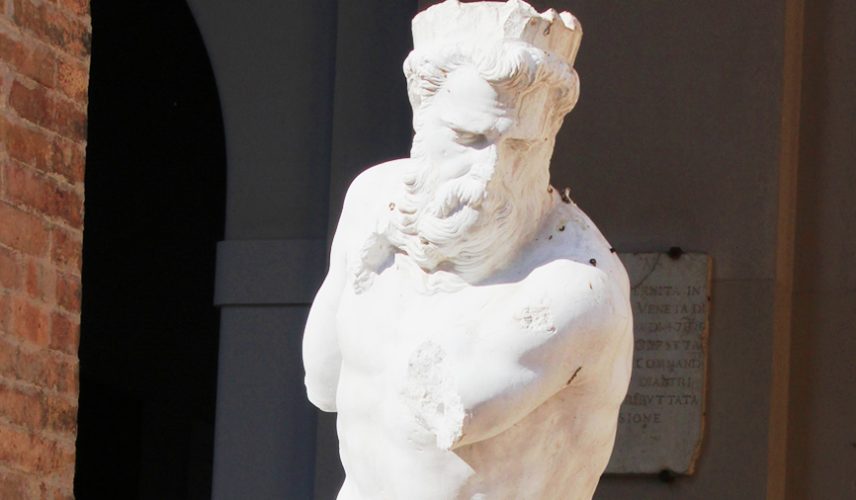
The front of the town hall is decorated with Fontana del Nettuno (Neptune’s Fountain), popularly known as “l’monc’ in piazza'” because of the two missing arms. The origin of the statue is unknown, although some have proposed a Roman origin, while according to others it is a work of art from Gianbologna’s school.
Per favore inserisci le coordinate di questo totem